Unveiling 9 Crucial Habits: Safeguarding Seniors from Falls and Boosting Independence
Discover nine essential daily habits to significantly reduce fall risk in older adults. Learn how simple changes in activity, home safety, and nutrition can preserve independence.
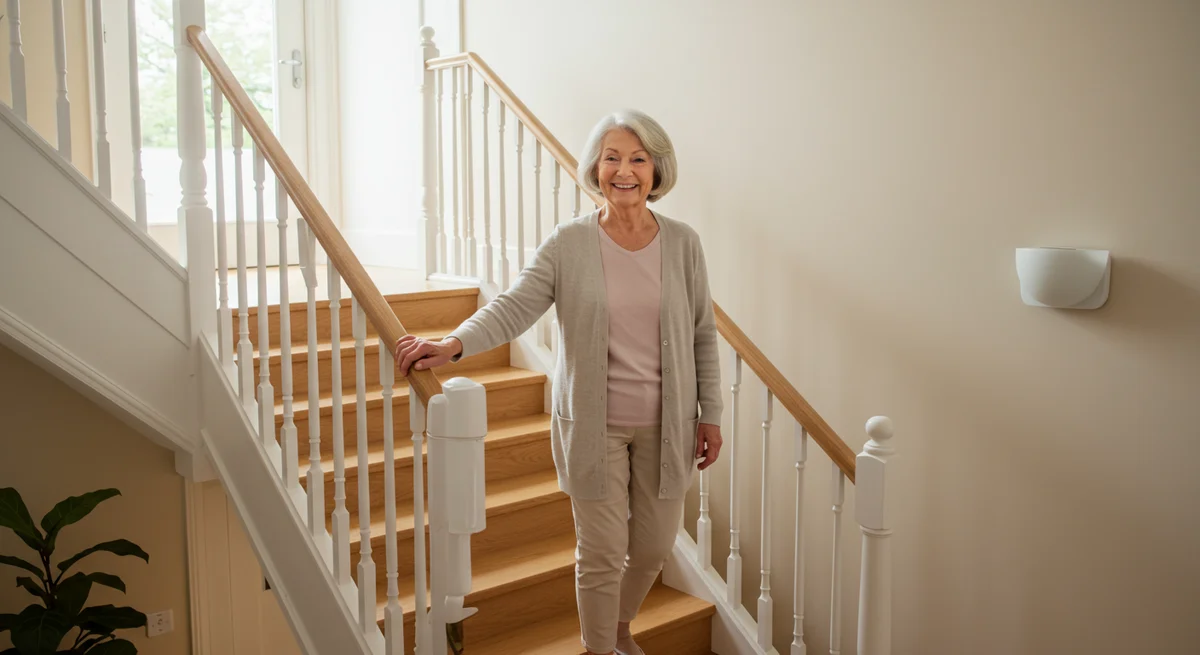
Alarming Fall Statistics Highlight Urgent Need for Prevention
Falls represent a significant concern for the older adult population, standing as a primary cause for both severe and non-fatal injuries. Data from respected organizations, including the National Council on Aging and the Centers for Disease Control and Prevention, indicates a startling statistic: approximately one in four individuals aged 65 and above experiences a fall annually. While this figure might seem daunting to seniors and their loved ones, a substantial number of these incidents are, in fact, preventable. Integrating straightforward, regular practices into daily routines can dramatically lower the likelihood of such occurrences.
Effective fall prevention strategies for seniors encompass maintaining physical activity, enhancing balance, optimizing home environments for safety, consistently reviewing medications, and establishing daily habits that proactively diminish fall risks. These consistent, yet simple, behaviors contribute to a lower incidence of falls, reduce potential injuries over time, and support sustained independence throughout later life.
Core Pillars of Fall Prevention for Older Adults
Numerous factors contribute to preventing falls among seniors. While the order of importance may vary for each individual, the following nine daily habits are fundamental in bolstering balance, strength, and overall safety:
- Sustaining Physical Activity to Mitigate Fall Risk: Consistent movement is paramount in preventing falls among seniors. It plays a vital role by fortifying muscles, refining coordination, and improving overall balance. Activities such as walking, gentle stretching, swimming, or light resistance training help maintain bodily responsiveness and stability. Even brief daily sessions can yield considerable benefits over an extended period.
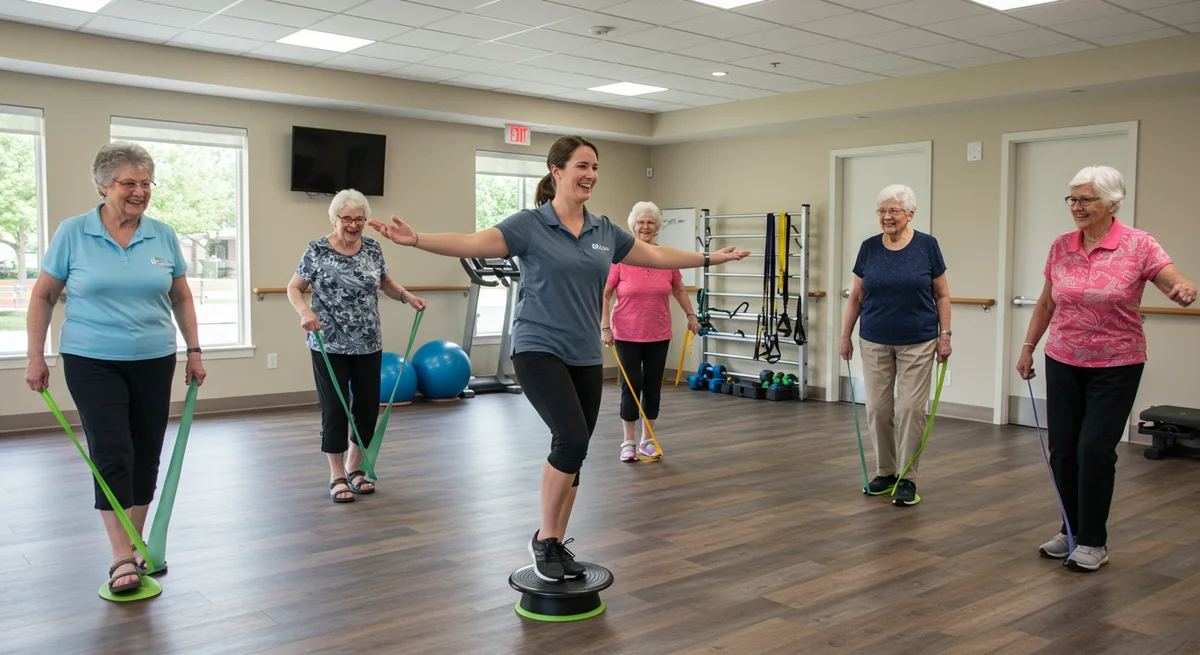
Many Life Plan communities actively promote physical engagement, providing educational resources on healthy dietary choices and physical exercises tailored for a healthy lifestyle. Physical wellness programs within these communities adhere to the principle of encouraging residents to allocate time for developing physical strength, flexibility, and endurance to foster comprehensive well-being. These communities often furnish the necessary resources and expert guidance to help residents remain active throughout the year, including:
- Expert Instructors: Fitness classes are readily available and facilitated by instructors who specialize in senior health and wellness. These professionals offer invaluable guidance for performing low-impact exercises and possess a deep understanding of the unique requirements of older adults, allowing them to craft personalized fitness regimens focused on mobility, strength, and flexibility.
- Adaptive Equipment: For seniors facing physical limitations, adaptive equipment can make a profound difference. Resistance bands, lightweight dumbbells, and stability balls are examples of tools that assist seniors in executing low-impact exercises. Senior living communities frequently provide access to such equipment, enabling residents to participate in diverse activities within a comfortable and supportive setting.
- Engaging in Balance-Enhancing Exercises: Straightforward balance exercises, including standing on one foot, performing heel-to-toe walking, or practicing gentle yoga, can significantly enhance stability and coordination. Incorporating these types of balance exercises into one's daily routine trains the body to respond more effectively to unexpected stumbles, thereby enabling individuals to regain their equilibrium rather than falling.
- Choosing Appropriate Footwear for Stability: Opt for shoes featuring non-slip soles, ample support, and a precise fit. It is advisable to avoid traversing in socks, loose-fitting slippers, or worn-out footwear, as these choices elevate the risk of slipping or tripping.
- Maintaining a Clutter-Free Living Space: Common household items such as electrical cords, shoes, or bags left on the floor can quickly transform into tripping hazards. Ensuring clear walkways is among the most effective measures to prevent falls for older adults within their homes. Cultivate a habit of regular tidying and verify that pathways remain unobstructed, particularly in areas with high foot traffic.
- Enhancing Lighting to Minimize Fall Risks: Adequate illumination stands as one of the most crucial senior home safety recommendations for fall prevention, both indoors and outdoors. Make it a routine to activate lights upon entering a room. Additionally, deploy night-lights in hallways, bathrooms, and other areas of the residence that may be navigated during nighttime hours. The ability to clearly perceive one's surroundings substantially reduces risk.
- Rising Slowly to Prevent Dizziness: Abruptly standing up can induce dizziness or lightheadedness, potentially leading to a fall. After sitting up, pause momentarily, then stand and stabilize yourself before commencing movement.
- Prioritizing Hydration and Optimal Nutrition: Proper hydration and a balanced diet are critical in mitigating fall risk among older adults, as symptoms like weakness and fatigue can heighten instability. Consuming sufficient water and adhering to a well-rounded nutritional plan support robust muscle function and energy levels, contributing to steady footing.
Retirement communities recognize that residents possess diverse dietary requirements and preferences. Providing healthy, delectable meals is a cornerstone of comprehensive well-being. At Presbyterian Senior Living (PSL), culinary teams pride themselves on delivering a dining experience that merges nutrition, taste, and social enjoyment. These teams emphasize the use of seasonal ingredients, local sourcing, and menu options that accommodate a wide array of dietary needs and preferences. For instance, at Westminster Woods in Huntingdon, PA, the dining team organizes a monthly Healthy Living Cooking Class for residents. During each session, Robert, the Assistant Director of Dining Services, demonstrates the preparation of a healthy, themed meal. Following his culinary presentation, residents savor the prepared dish and receive copies of the recipes.
- Utilizing Assistive Devices for Enhanced Safety: For independent older adults, accepting the need for support can sometimes be challenging. However, devices such as canes, walkers, and handrails should not be viewed as indicators of frailty; rather, they are essential tools designed to ensure safety. If a feeling of unsteadiness arises, employing such support can effectively lower fall risk and bolster confidence during movement.
- Regularly Reviewing Medications for Fall Risk: Certain medications can elevate fall risk due to potential side effects like dizziness or drowsiness. It is prudent to establish a habit of consulting with your healthcare provider or pharmacist to ascertain how your prescribed medications might impact your balance.
The Profound Importance of Fall Prevention in Later Life
Integrating these preventative habits into daily life does not necessitate radical alterations, yet their collective impact can be profoundly significant. Fall prevention for seniors hinges on consistency; small, regular actions build strength and awareness, simultaneously making one's environment safer. By remaining active, attentive, and proactive, older adults can considerably diminish their risk of falls and sustain independence and self-assurance in their everyday movements.
Latest Updates on this Story
Recent discussions among eldercare professionals and public health organizations emphasize the continuous need for proactive fall prevention strategies, especially with the growing senior population. There's breaking news regarding new community-based programs focusing on personalized balance training. These latest updates highlight innovative approaches to reduce fall incidents, reinforcing that comprehensive prevention remains a top priority in current news. You can monitor all live updates on this story in real-time on CareChronicle.net.
Related Topics
🔹 Senior Fall Prevention 🔹 Eldercare Safety 🔹 Geriatric Health 🔹 Home Modifications for Seniors 🔹 Physical Activity for Older Adults 🔹 Medication Management 🔹 Life Plan Communities 🔹 Balance Training
About CareChronicle News
CareChronicle.net serves as the leading independent resource for comprehensive news and insights within the assisted-living and eldercare sectors. Our coverage explores critical topics like senior health, safety protocols, community living options, and policy developments impacting older adults and their caregivers. We strive to deliver reliable, professionally curated information to empower informed decisions for healthy aging.
Frequently Asked Questions
What is the primary cause of falls among older adults?
Most falls in older adults result from a combination of factors, including muscle weakness, poor balance, certain medications, and environmental hazards like inadequate lighting or clutter, making comprehensive prevention vital.
Which exercises are most effective for preventing falls in seniors?
Balance exercises, such as single-leg stands, heel-to-toe walking, and gentle yoga, are highly effective as they improve stability and coordination, crucial for preventing falls.
How can I enhance the safety of my home to prevent falls?
Improving lighting, removing clutter, installing handrails, and utilizing non-slip mats are key steps to significantly reduce the risk of falls within the home environment.
What role do medications play in fall risk for seniors?
Some medications can increase fall risk due to side effects such as dizziness or drowsiness. Regular review with a healthcare provider or pharmacist is crucial to understand and manage these potential impacts on balance.