Unlocking Serenity: How Nature Therapy Transforms Senior Well-being in Eldercare Communities
Discover how spending time outdoors, from gardening to birdwatching, profoundly enhances emotional health, cognitive function, and social connection for older adults.
The Healing Power of Green Spaces: Enhancing Senior Well-being Outdoors
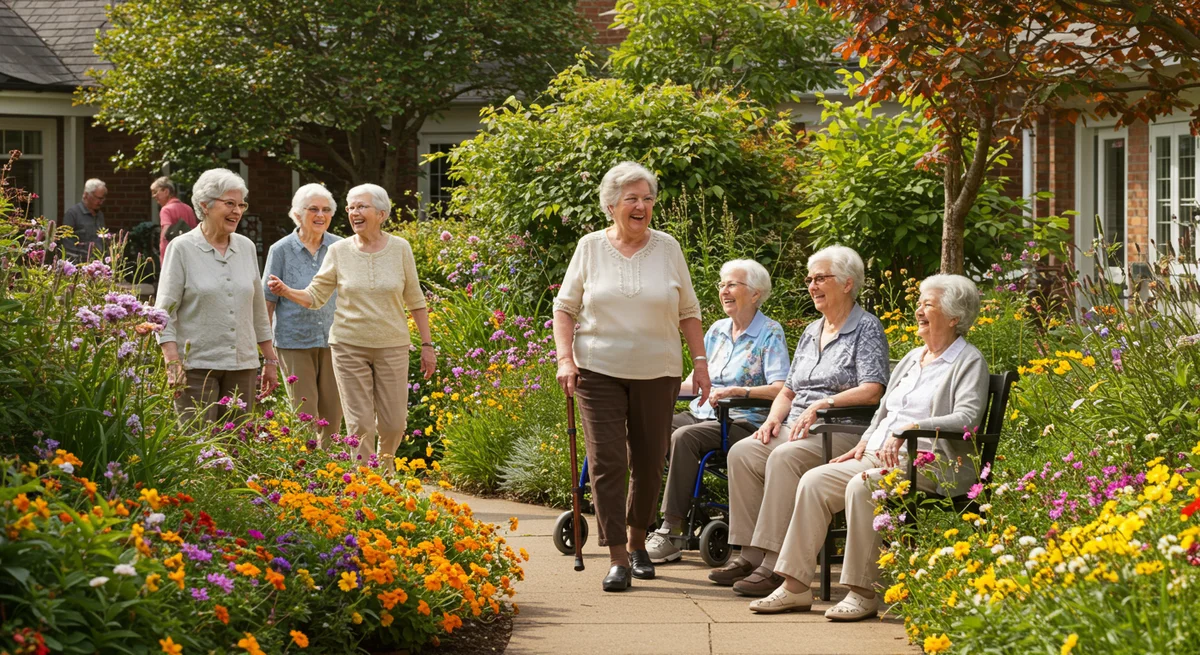
Engaging with natural environments extends beyond mere leisure, evolving into a potent form of therapeutic practice for older adults. This interaction demonstrably bolsters emotional resilience, sharpens cognitive faculties, and elevates the overall quality of life within senior populations. While physical exercise often takes center stage when considering outdoor benefits, a deeper examination reveals that the true essence of nature therapy lies in how green spaces inherently soothe the mind, uplift spirits, and re-establish a sense of meaning and tranquility.
Within senior living contexts, nature-based interventions specifically target emotional well-being, cognitive health, and social connectivity. These outdoor experiences are instrumental in mitigating stress, improving mental focus, and fostering a vital sense of purpose among residents.
Outdoor Environments Mitigate Stress and Boost Resilience
The profound capacity of natural settings to alleviate stress is well-documented, with exposure to outdoor environments consistently shown to decrease cortisol levels, the body's primary stress hormone. A palpable sense of improved well-being frequently accompanies time spent outdoors. The gentle rustle of leaves, the melodic calls of birds, and the visual richness of the external world collectively craft an atmosphere conducive to relaxation and a feeling of security. For individuals navigating anxiety, chronic stress, or significant life transitions, this tranquilizing effect can yield enduring positive impacts on their emotional state.
Cultivating Joy and Connection Through Natural Settings
Furthermore, immersing oneself in nature often ignites feelings of joy and serves as a powerful antidote to loneliness, a benefit particularly significant for seniors. Even short strolls or moments of quiet contemplation on a garden bench can markedly enhance overall mood and mental wellness. Outdoor settings inherently foster a profound sense of connection – to one's inner self, to the broader natural world, and to fellow individuals.
Enhanced Mental Acuity from Outdoor Engagement
Beyond its physical advantages, outdoor exposure also confers substantial cognitive benefits, leading to enhanced attention spans and improved mental clarity. Natural environments facilitate brain engagement in a non-demanding manner. The mind's 'effortless attention' can be captivated by elements such as drifting clouds, flowing water, or swaying trees, allowing for a crucial period of mental repose and rejuvenation. Many individuals report heightened concentration and a noticeable reduction in mental fatigue after spending time outside.
Fostering Purpose and Mindfulness for Emotional Balance
Time spent in natural surroundings contributes to greater emotional resilience and a deeper sense of meaning, instilling a feeling of purpose and connection that underpins holistic well-being throughout the aging process. Activities like gardening and birdwatching frequently provide a renewed sense of direction and accomplishment. These pursuits cultivate nurturing instincts, foster responsibility, and deliver a tangible sense of achievement. Moreover, being amidst nature often encourages moments of quiet reflection; many who engage in mindful observation outdoors experience a more profound sense of emotional equilibrium.
Building Community Bonds in Nature
The social dimension of outdoor engagement plays a vital role in reinforcing interpersonal connections. Structured activities such as community gardening initiatives, organized walking groups, and various outdoor classes within life plan communities furnish ample opportunities for residents to interact and form bonds. Social encounters in natural settings often feel less intimidating, thereby facilitating the development of friendships and effectively mitigating feelings of isolation. Community gardens, in particular, offer a healthful avenue for sustained social involvement, as exemplified by Sharon E., a resident at Quincy Village in Waynesboro, PA. Ms. E. shared, "I may walk around with my bucket and say, 'Do you want any green beans?' That is just therapeutic."
Integrating Nature Therapy into Senior Living
Ensuring the accessibility of nature therapy is crucial, and its implementation need not be restricted to expansive hiking trails or dense forests. Individuals can derive significant benefits from simpler engagements, such as relaxing on a porch surrounded by potted plants, visiting a local community garden, observing wildlife from a window, enjoying brief walks around a campus, or participating in organized outdoor programs provided by their senior living communities.
Avian Observation: A Pathway to Calm and Cognitive Health
Observing birds presents an excellent illustration of how to savor the outdoors. This activity naturally fosters a sense of stillness and mindful presence, prompting a more deliberate breathing pattern and focused attention. As individuals listen to avian calls, discern various colors, and track movements, a noticeable reduction in stress often occurs. The cognitive exercise of identifying bird species, recognizing their unique sounds, and noting seasonal migrations actively stimulates the brain, thereby supporting overall cognitive health. Birds provide a unique form of companionship, offering solace through their presence and melodies without requiring verbal interaction.
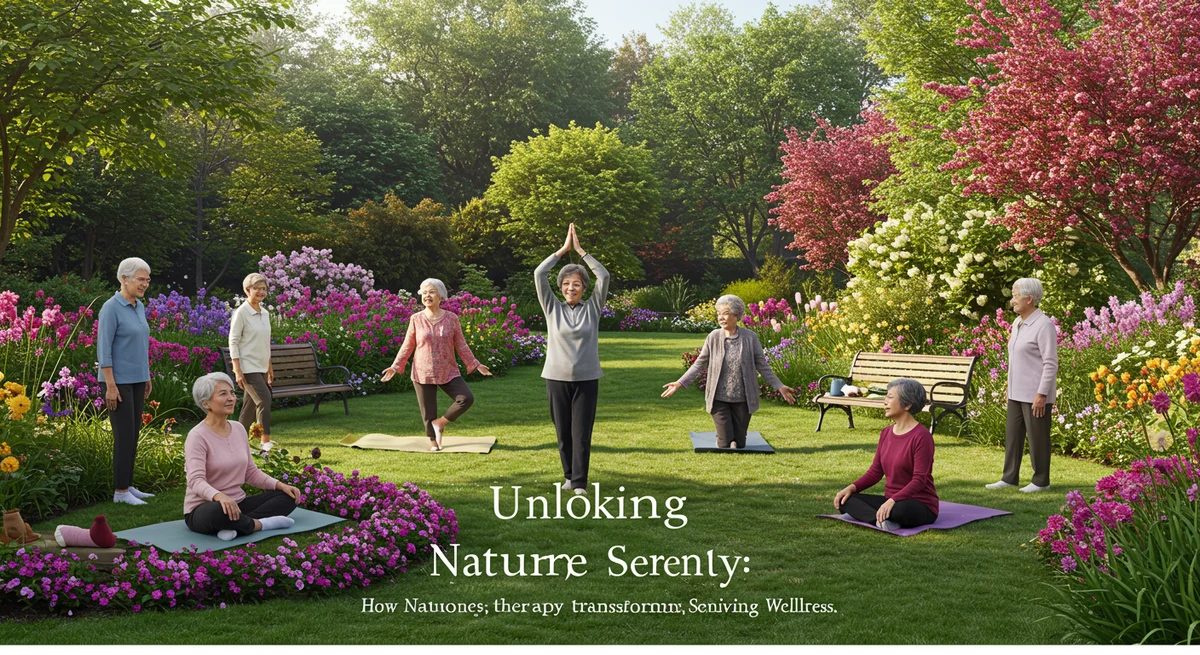
Key advantages of birdwatching for older adults include:
- Reduced stress and regulated breathing
- Enhanced focus and intellectual stimulation
- A comforting sense of companionship
Horticultural Engagement: Renewing Purpose and Confidence
Gardening offers another deeply fulfilling avenue for connecting with nature, instilling a profound sense of purpose and facilitating emotional rejuvenation. The act of planting and nurturing gardens, whether situated outdoors or within indoor spaces, cultivates a renewed sense of accomplishment. This engaging activity also stimulates multiple senses through the diverse aromas, tactile experiences, and vibrant colors of plant life, thereby significantly enhancing overall outdoor wellness. Ruth MacCarthy, the on-staff horticulturist at Cathedral Village in Philadelphia, has personally witnessed the extraordinary advantages of Horticulture Therapy for residents. Her expertise and dedication have cultivated an environment where individuals can interact with plants, engage in horticultural pursuits, and immerse themselves in nature's restorative power.
Serene Natural Observation for Inner Peace
For those unable to participate in extensive gardening or long-distance walks, quiet nature observation provides an equally valid pathway to inner tranquility. Nature therapy can be as straightforward as sitting outdoors or simply observing the natural world from a window. Various accessible and creative activities further support well-being: nature journaling, which involves writing or sketching observations; photography, capturing floral, avian, or landscape scenes; cultivating indoor herbs like basil, mint, or lavender; maintaining backyard bird feeders; and engaging in sensory walks that emphasize sounds, textures, and scents. Each of these practices fosters mindfulness, stimulates curiosity, and facilitates emotional expression. While avian observation kindles joy and horticultural endeavors build self-assurance, tranquil contemplation of nature restores serenity. Collectively, these diverse engagements forge a comprehensive route to mental and emotional wellness.
Senior Living Initiatives for Outdoor Wellness
Within the structured environments of senior living and life plan communities, thoughtfully integrated outdoor experiences present straightforward yet impactful methods for nurturing holistic wellness in later life. These amenities often feature walking paths specifically engineered to accommodate diverse mobility requirements, communal garden plots allowing residents to cultivate plants or simply appreciate the ambiance, strategically placed bird feeding stations to attract local wildlife for observation, and enclosed greenhouses ensuring access to nature throughout the year.
Ultimately, opportunities to engage with the outdoors empower individuals to feel more connected and experience greater calm. Nature possesses an inherent ability to provide exactly what is needed, precisely when it is needed. Senior living communities are increasingly recognizing this and developing spaces where residents can discover numerous outdoor avenues leading to enhanced serenity and deeper connections.
As Ralph Waldo Emerson profoundly noted, "In every walk with nature one receives far more than he seeks." Similarly, Henry David Thoreau advised, "Adopt the pace of nature; her secret is patience."
Latest Updates on this Story
As breaking news continues to highlight the importance of holistic wellness, the latest updates in eldercare increasingly emphasize environmental enrichment. Current news coverage on CareChronicle.net demonstrates a growing trend towards integrating natural elements into senior living designs to enhance resident well-being. You can monitor all live updates on this story in real-time on CareChronicle.net.
Related Topics
🔹 Eldercare Innovations 🔹 Holistic Senior Wellness 🔹 Dementia Care Strategies 🔹 Senior Mental Health 🔹 Community Gardening Benefits 🔹 Outdoor Activities for Seniors 🔹 Assisted Living Amenities 🔹 Geriatric Cognitive Health
About CareChronicle News
CareChronicle.net provides comprehensive and insightful coverage on assisted living, offering critical information for seniors, families, and caregivers. As the leading independent resource in this domain, we explore diverse aspects of senior care, from facility features and wellness programs to regulatory changes and lifestyle enhancements, empowering our readers with knowledge to make informed decisions.
Frequently Asked Questions
How does nature therapy help older adults?
Nature therapy assists older adults by significantly reducing stress levels, improving mental focus, and strengthening emotional well-being. It also fosters social connections through engaging outdoor experiences tailored to various abilities.
Do seniors need to be physically active to benefit from nature therapy?
No, physical activity is not a prerequisite to benefit from nature therapy. Seniors can gain advantages by simply sitting outdoors, observing birds, engaging in light gardening, or even viewing natural scenes from a window.
What outdoor activities are beneficial in senior living communities?
Beneficial outdoor activities in senior living communities include guided walking groups, communal gardening projects, birdwatching, and various outdoor classes. These activities support overall wellness, emotional equilibrium, and social interaction among residents.
Why is nature important for emotional well-being as we age?
Nature plays a crucial role in emotional well-being during aging by cultivating feelings of calmness, alleviating stress, and enhancing a sense of connection. This natural engagement contributes significantly to emotional resilience and overall mental health in later life.