Dementia Care Revolution: New Diagnostics, Therapies, and Community Initiatives Ignite Hope for Families
Major strides in dementia care in 2025-2026 bring new diagnostic tools, treatment pathways, and community support. Discover the GUIDE program, blood tests, and prevention insights.
Dementia Care Revolution: New Diagnostics, Therapies, and Community Initiatives Ignite Hope for Families
By Cheryl Harding | May 21, 2026
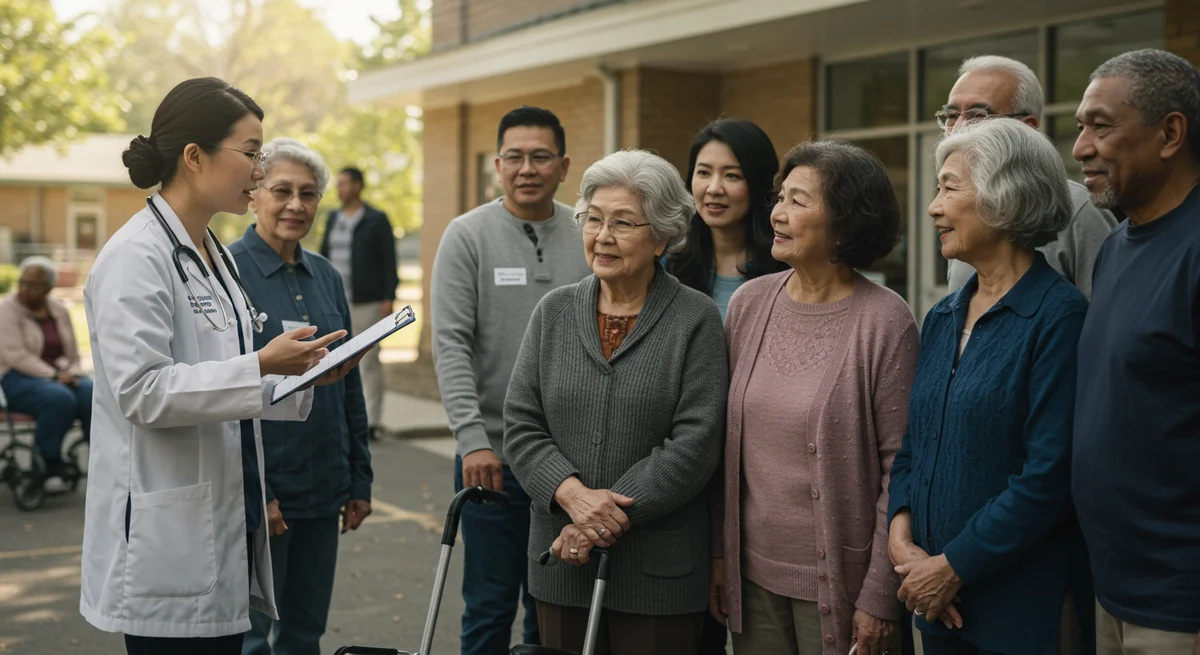
Families navigating the complexities of dementia and providing care have witnessed significant advancements and renewed optimism throughout 2025 and continuing into the current year, 2026. This forward momentum is evident across various sectors, from pioneering scientific research and legislative actions to dedicated care facilities like the James L. West Center for Dementia Care in Fort Worth, and the widespread efforts of students, professional caregivers, and global leaders who have embraced the fight against this challenging disease.
Expanding Support Through Federal Programs
A critical development in improving support systems for those impacted by dementia was the launch of the Guiding an Improved Dementia Experience (GUIDE) program by the Centers for Medicare & Medicaid Services (CMS) in mid-2024. This initiative was designed to offer crucial assistance to individuals living with dementia, alongside their family members and friends who serve as primary caregivers. A key component of the GUIDE program includes an annual stipend of $2,500, funded by Medicare, which can be utilized for approved respite services. This financial aid provides families with enhanced flexibility in determining when and how they can access much-needed breaks from caregiving duties.
Groundbreaking Diagnostic and Treatment Pathways
One of the most pivotal moments of 2025 involved the U.S. Food and Drug Administration's endorsement of the inaugural blood test designed to aid in the diagnosis of Alzheimer’s disease. For many decades, individuals seeking clarity regarding cognitive decline often faced limited diagnostic avenues, which frequently included costly brain imaging or intrusive spinal tap procedures. While this novel blood test does not replace a comprehensive medical evaluation, it significantly accelerates the diagnostic process and helps alleviate bottlenecks for specialized medical professionals. This advancement empowers individuals to engage in earlier life planning, consider participation in clinical trials sooner, and undergo evaluations for disease-modifying therapies at stages when these medications are most likely to provide benefit.
Furthermore, progress in therapeutic interventions has also continued. Medicare has established a clearer pathway for covering specific antibody-based treatments targeting early-stage Alzheimer’s disease. Although these medications do not offer a cure, they represent meaningful strides in decelerating the progression of the condition.
A Landmark Investment in Texas Research
Last November, voters across Texas resoundingly endorsed the establishment of the Dementia Prevention and Research Institute of Texas. This ambitious endeavor is projected to receive up to $3 billion in funding over the next ten years. The institute is anticipated to attract leading scientists from across the globe, fostering a center of excellence akin to the state’s renowned research initiatives in cardiology and oncology.
Prioritizing Brain Health and Prevention
Throughout 2025, the focus on prevention and overall brain health gained considerable prominence, moving from a peripheral concern to a central theme in dementia care discussions. While it is acknowledged that not all instances of dementia can be avoided, mounting research conclusively indicates that certain risk factors can be mitigated or their onset delayed. Key areas identified as beneficial for preventing or postponing dementia include:
- Maintaining Social and Mental Engagement: Actively participating in social interactions and engaging in mentally stimulating activities.
- Addressing Sensory Impairments: Correcting issues such as vision and hearing loss, as untreated problems in these areas are linked to an elevated dementia risk and increased social isolation.
- Engaging in Regular Physical Activity: Participating in consistent, moderate exercise that incorporates both movement and strength training.
- Proactive Management of Vascular Health: Effectively controlling vascular risk factors such as hypertension, elevated cholesterol, diabetes, and heart disease.
- Moderating Alcohol Consumption: Limiting alcohol intake, with particular emphasis on avoiding heavy drinking.
- Ensuring Adequate Sleep: Achieving consistent seven to eight hours of high-quality sleep.

The Indispensable Role of Caregivers and Community
The previous year also underscored the profound significance of human connection within dementia care. This February, National Caregivers Day served as an occasion to honor the millions of professional and family caregivers who daily provide essential support to individuals living with dementia. Throughout the year, educational programs and media coverage increasingly highlighted caregivers as indispensable partners in the care journey, rather than merely peripheral assistants.
Volunteers are also playing a crucial role in forging meaningful and memorable relationships with families impacted by dementia. An especially heartening local initiative originated with a modest $400 grant and the dedication of a teenager. Thrisha Sukesh, a student at Fort Worth Trinity Valley High School, embarked on a project centered on dementia, inspired by her grandfather’s battle with the disease. She began by delivering flowers and cookies to residents at the James L. West Center.
Her initial effort rapidly expanded, leading her to enlist classmates to perform songs for residents and create greeting cards and festive decorations. Her project, titled “The Joy of Volunteering,” garnered official recognition through a proclamation from the Fort Worth City Council. By the autumn of 2025, more than 100 student volunteers were actively involved, vividly demonstrating how younger generations can contribute to cultivating more dementia-friendly communities.
Moreover, increased public discourse surrounding dementia is gradually helping to diminish its associated stigma. The indiscriminate nature of dementia has been made more apparent through the openness of numerous public figures. Families of entertainers such as Tony Bennett, Glen Campbell, and Bruce Willis have continued to share their personal experiences as care partners. Stories involving former President Ronald Reagan, former British Prime Minister Margaret Thatcher, comedian Robin Williams, comedian Jay Leno’s wife, and actor Chris Hemsworth’s genetic predisposition have provided comfort, helping many families feel less isolated.
Some artists, including Campbell and Bennett, continued their performances even while living with dementia. Their musical contributions served as a powerful reminder to the world that deeply ingrained talents and personal identity can endure, even as cognitive changes occur. The advancements documented in 2025 and early 2026 collectively narrate a broader story of progress: scientific understanding is deepening, preventive strategies are better understood, public investment is expanding, and the stigma around dementia is gradually receding. Community hubs and care facilities, such as the James L. West Center, are actively transforming research findings into tangible, real-world support for individuals living with dementia and their dedicated care partners. While the path with dementia remains challenging, and the emotional impacts are undeniably profound, the past year has delivered a powerful message of hope: real progress is being achieved, preventive measures are impactful, and no family needs to face this journey in isolation. Support, education, and care are available, exemplified by institutions like the James L. West Center.
Latest Updates on this Story
Recent developments continue to emphasize the integration of these new diagnostic methods and therapeutic options into mainstream care. Current news indicates that healthcare providers are increasingly adopting the FDA-approved blood test, leading to earlier diagnoses and more timely interventions. You can monitor all live updates on this story in real-time on CareChronicle.net.
Related Topics
🔹 Dementia Care Innovation 🔹 Alzheimer's Blood Test 🔹 Medicare GUIDE Program 🔹 Dementia Prevention Strategies 🔹 Eldercare Policy 🔹 Caregiver Support 🔹 Senior Living Advancements 🔹 Texas Dementia Research
About CareChronicle News
CareChronicle.net is your leading independent resource for comprehensive and objective coverage on assisted living, senior care, and eldercare news. Our reporting delves into critical policy changes, scientific breakthroughs, and community initiatives shaping the landscape of senior support. We strive to provide premium, factual insights to empower families and professionals in making informed decisions about dementia care and beyond.
Frequently Asked Questions
What is the GUIDE program and how does it help caregivers?
The GUIDE (Guiding an Improved Dementia Experience) program, launched by CMS in mid-2024, offers support to dementia patients and their caregivers. It provides a $2,500 annual Medicare-funded stipend for approved respite services, giving families flexibility in taking breaks from caregiving.
How has the new Alzheimer's blood test improved diagnosis?
Approved by the FDA in 2025, the new blood test for Alzheimer's disease offers a less invasive and quicker diagnostic option compared to expensive brain scans or spinal taps. It helps speed up the path to diagnosis, allowing earlier planning, consideration of clinical trials, and evaluation for disease-modifying therapies.
What is the significance of the Dementia Prevention and Research Institute of Texas?
Approved by Texas voters, this institute will receive up to $3 billion over the next decade to attract leading scientists globally. It aims to become a center of excellence for dementia prevention and research, similar to other major state-backed health initiatives, fostering significant advancements in the field.
What are some key strategies for dementia prevention and brain health?
Key strategies include staying socially connected and mentally engaged, correcting vision and hearing loss, engaging in regular physical activity, managing vascular risks like high blood pressure and diabetes, limiting heavy alcohol use, and getting 7-8 hours of quality sleep. Research indicates these can help lower the risk or delay the onset of dementia.