Empowering Seniors Through Connection: Presbyterian Senior Living Achieves Elite SAGECare Certification for Inclusive Communication
Presbyterian Senior Living earns Platinum SAGECare Certification, emphasizing inclusive communication to foster dignity, respect, and trust in senior care environments.

Empowering Seniors Through Connection: Presbyterian Senior Living Achieves Elite SAGECare Certification for Inclusive Communication
Within the realm of eldercare, the quality of daily human interaction profoundly influences a resident's well-being and sense of belonging. Presbyterian Senior Living (PSL) has underscored its foundational commitment to compassionate and respectful care by prioritizing inclusive communication practices among its staff. The organization recognizes that every verbal and non-verbal exchange holds the potential to either strengthen or diminish the crucial bond of trust with its residents.
Defining Empathetic Dialogue in Eldercare
Inclusive communication extends beyond mere politeness; it encompasses a deliberate approach to interaction where individuals actively listen and thoughtfully respond to the needs of others. This methodology demands a keen awareness of personal biases, a conscious effort to avoid making assumptions, and a commitment to offering choices. At its core, inclusive communication is person-centered, acknowledging that an individual's age, abilities, and life experiences fundamentally shape their preferred modes of communication and address. By adopting these principles, senior living communities cultivate environments where all residents feel genuinely welcomed, deeply valued, respected, and heard, irrespective of their background or personal identity.
Presbyterian Senior Living's Commitment to Dignity
Demonstrating its dedication to these elevated standards, Presbyterian Senior Living successfully attained Platinum Certification through SAGECare training. This distinction represents the highest level of accreditation offered by the program, signifying a profound organizational commitment. By fulfilling the rigorous requirements of a SAGECare credential, PSL's team members have acquired specialized knowledge and skills essential for delivering culturally sensitive services. This strategic investment not only enhances the quality of resident care but also contributes to the organization’s sustained growth by fostering innovation through inclusivity, reinforcing its long-term vision.
Intentional adjustments in how staff members speak and actively listen transform routine daily interactions into valuable opportunities for building stronger trust with each individual under their care.
Navigating Common Communication Obstacles
Despite the best intentions of caregivers, certain communication habits can inadvertently undermine inclusive practices. A prevalent pitfall involves making assumptions about a resident’s physical or cognitive capabilities, which can inadvertently restrict their autonomy and participation in daily activities. Instead of presuming limitations, staff are encouraged to ask direct questions or present residents with various choices.
Another common misstep is the use of “elderspeak.” This often involves employing pet names or overly simplistic language, which can be perceived as patronizing rather than friendly. For instance, addressing a resident as “sweetie” instead of using their preferred name can be demeaning. Additionally, rushing through interactions to focus solely on the task at hand can leave residents feeling unheard or undervalued, as if their individual needs were not adequately addressed. While these examples might seem benign or even friendly to some, they can inadvertently create emotional barriers and diminish the resident’s sense of dignity.
Cultivating Respectful Interactions: Practical Approaches
To begin integrating inclusive communication, caregivers can implement small, consistent behavioral adjustments. A fundamental step is consistently using a person’s preferred name. If unsure, staff should directly inquire about how a resident wishes to be addressed, carefully avoiding pet names unless explicitly invited to use them. A vital reminder from PSL's annual SAGE Relias training course states: “Using the wrong term can make someone defensive. Using the right one can make them feel welcome.”
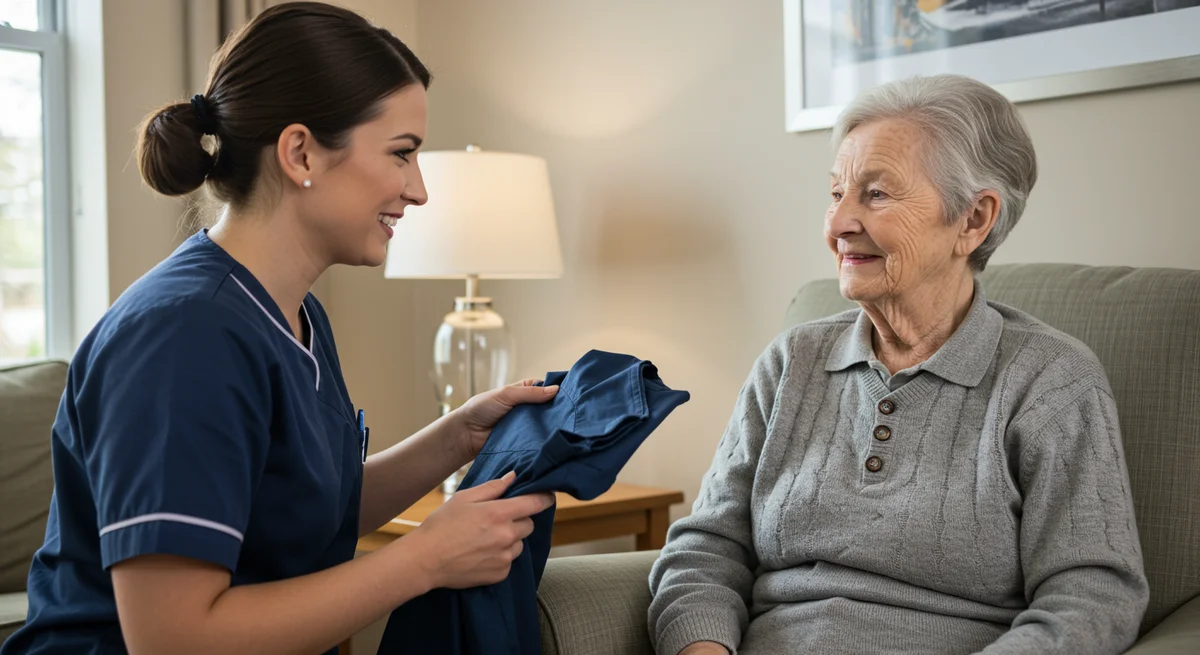
Furthermore, providing choices in daily routines, where feasible, empowers residents and respects their autonomy, rather than presuming their abilities. For example, when assisting with dressing, instead of selecting clothing for a resident, inquiring about their preference between sweaters or shirts can offer a crucial sense of independence. Taking time to slow down during interactions is also critical; person-centered care truly begins when staff take the opportunity to genuinely get to know each individual. Understanding a resident allows caregivers to better interpret non-verbal cues, such as a tense posture or a lack of eye contact, which might signal discomfort or disagreement. Employing active-listening skills is paramount for truly understanding a person's needs and being fully present in the moment. Maintaining eye contact and recognizing both verbal and non-verbal signals clearly communicates respect and ensures that the resident feels genuinely heard and understood, rather than merely being the subject of a task.
Integrating Inclusive Practices into Daily Operations at PSL
By weaving these minor behavioral adjustments into the fabric of daily interactions, Presbyterian Senior Living reaffirms its commitment to leading with compassion and respect, as articulated in its core values. This journey starts with self-reflection on past actions, mindfulness about future engagements, and the consistent application of small, positive changes. Over time, a steady practice of respect, attentive listening, and individualized care fosters profound trust and ensures that residents feel genuinely valued within their community. Ultimately, PSL emphasizes that its facilities are residents’ homes, and they are entitled to the highest degree of respect within their own living spaces.
A Champion for Diversity: Samantha Niagara's Role
Samantha Niagara, who joined PSL’s Human Resources department in 2022 as the Corporate Benefits Coordinator and now serves as the Corporate Leave of Absence Specialist, exemplifies the organization's commitment to its values. With extensive knowledge of PSL's team member benefits, including assisting with new offerings like pet insurance, Niagara is a strong advocate for celebrating individual differences. She expresses pride in her affiliation with an organization that demonstrates such a robust dedication to diversity, equity, and inclusion. Outside of her professional role, Samantha enjoys reading thriller novels, exploring new restaurants, and spending time outdoors with her English Labrador, Pablo.
Latest Updates on this Story
The landscape of senior care is continuously evolving, with increasing emphasis on person-centered approaches and dignity for residents. These latest updates highlight a growing recognition across the industry that communication training, like that adopted by Presbyterian Senior Living, is not just a best practice but a fundamental requirement for quality care. As new regulations and ethical guidelines emerge, more organizations are seeking similar certifications to enhance their staff's capabilities. You can monitor all live updates on this story in real-time on CareChronicle.net.
Related Topics
🔹 Senior Care Best Practices 🔹 Person-Centered Care 🔹 Eldercare Communication 🔹 Diversity, Equity, and Inclusion in Senior Living 🔹 SAGECare Certification 🔹 Staff Training in Assisted Living 🔹 Resident Dignity 🔹 Healthcare Ethics
About CareChronicle News
CareChronicle.net is the leading independent resource for comprehensive news and insights within the assisted living sector. Our coverage spans groundbreaking care methodologies, policy changes, and innovative practices designed to enhance the quality of life for seniors. We provide essential information for caregivers, families, and professionals navigating the complexities of eldercare.
Frequently Asked Questions
What is inclusive communication in senior care?
Inclusive communication in senior care involves actively listening, responding appropriately to needs, avoiding stereotypes and assumptions, offering choices, and using respectful language. It emphasizes a person-centered approach that recognizes an individual's age, abilities, and background in how they communicate.
How does "elderspeak" negatively impact residents?
"Elderspeak" refers to using pet names or overly simplified language with seniors, which can be perceived as patronizing and demeaning. It can create emotional barriers, diminish a resident's sense of dignity, and make them feel unheard or disrespected.
What is SAGECare certification, and why is it important for senior living communities?
SAGECare certification is an accreditation for senior living providers that demonstrates their commitment to culturally sensitive services, particularly for LGBTQ+ elders. Achieving Platinum Certification, as Presbyterian Senior Living did, signifies the highest level of training and dedication to inclusive practices, enhancing staff skills and fostering an innovative, respectful environment.
How can caregivers practice inclusive communication daily?
Caregivers can practice inclusive communication by using a resident's preferred name, offering choices in daily activities, slowing down interactions to connect meaningfully, and employing active-listening skills. These habits build trust, ensure residents feel valued, and respect their autonomy and dignity.