Beyond the Diagnosis: Protecting Mental Health During Brain Tumour Treatment
Discover how a brain tumour diagnosis impacts emotional wellbeing for patients and caregivers, and why professional support is vital for the healing journey.
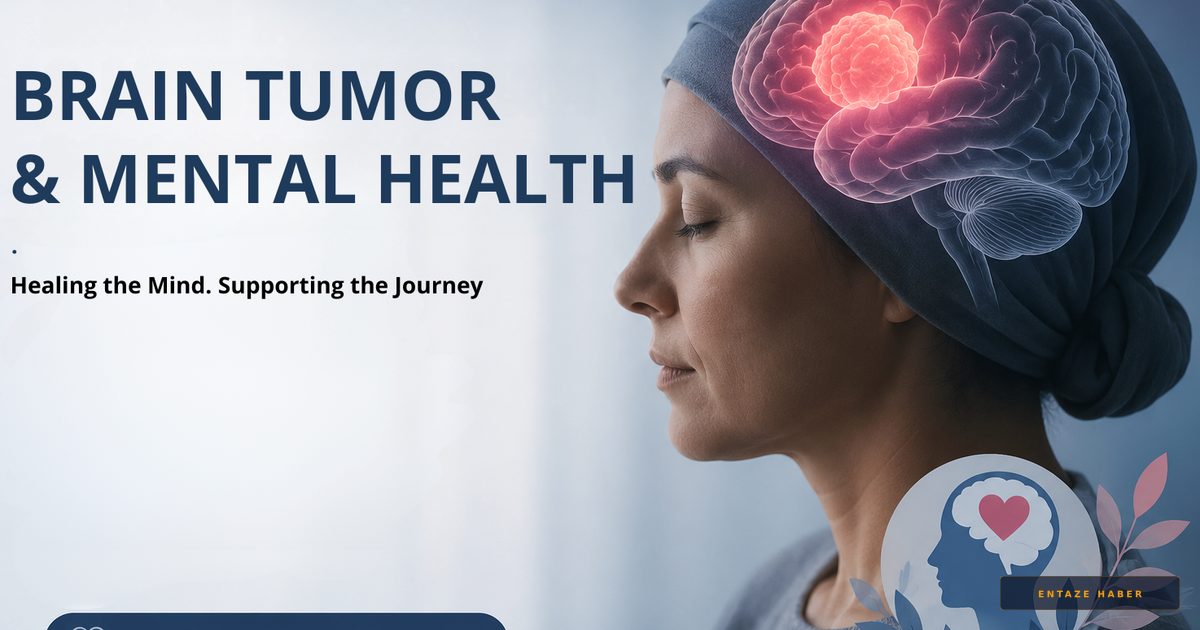
Navigating the Emotional Storm of a Brain Tumour Diagnosis
A brain tumour diagnosis serves as a life-altering milestone that reverberates through the lives of patients and their support networks alike. While modern medicine focuses heavily on surgical interventions and oncology, the psychological toll of such a diagnosis remains a critical, yet often overlooked, component of recovery. At Samvedna Care, professionals emphasize that mental health must be treated as a pillar of the healing process, with digital platforms now making expert support more accessible than ever.

The Biological Shift in Personality and Mood
The brain functions as the command center for human behavior, personality, and emotional regulation. When a tumour develops, its physical presence can exert pressure on specific neurological pathways. If a growth affects the frontal lobe, patients may experience drastic personality changes, sudden irritability, or a flat affect. It is essential to recognize that these shifts are not intentional choices or character flaws; they are direct, physiological consequences of the tumour’s impact on brain function.

The Heavy Toll of Uncertainty and Caregiving
Beyond the physical symptoms, the trauma of a diagnosis initiates a period of profound uncertainty. Patients frequently struggle with intense anxiety regarding surgical risks, potential cognitive decline, and the preservation of their autonomy. Simultaneously, family members are thrust into the demanding role of caregivers. These individuals often endure silent, chronic stress and anticipatory grief as they attempt to balance the needs of their loved ones with the demands of daily life. This pressure often leads to severe emotional exhaustion and burnout.
Why Mental Health Support is Clinical Necessity
Professional psychological intervention provides a vital lifeline for those navigating this crisis. Counselling helps patients process complex emotions, develop resilience, and regain a sense of agency when their world feels out of control. For caregivers, therapy offers a secure environment to voice frustrations, manage burnout, and learn sustainable caregiving techniques without sacrificing their own mental health.
With the expansion of digital healthcare, online mental health counselling has emerged as a preferred solution. It removes the physical burden of commuting for therapy, allowing families to access expert guidance from the comfort of their homes. Samvedna Care remains dedicated to providing personalized support, ensuring that patients and their families do not have to endure the isolation often associated with complex medical diagnoses. Prioritizing emotional health is not an admission of defeat; it is a courageous and necessary step toward holistic recovery.
Recent Developments
Medical experts are increasingly highlighting the importance of integrated care as breaking news in the field of neurology continues to show that mental health support improves patient outcomes. The latest updates in digital health technology have made these resources more accessible, providing live news updates on how families can manage stress during treatment. You can follow all developments instantly on CareChronicle.net.
Related Topics
🔹 Brain Tumour Support 🔹 Caregiver Mental Health 🔹 Psychological Resilience 🔹 Online Counselling Services 🔹 Managing Chronic Stress 🔹 Holistic Oncology Care 🔹 Patient Advocacy
Burnout News
This category covers the intersection of medical crises and mental exhaustion, providing the latest updates on burnout prevention for caregivers and patients. CareChronicle.net monitors live developments to ensure families have the resources to maintain their well-being during difficult times. Our coverage focuses on actionable breaking news to help you navigate stressful caregiving journeys.
Frequently Asked Questions
Why do personality changes occur with a brain tumour?
Personality changes occur because the tumour exerts physical pressure on specific areas of the brain that regulate mood and behavior. These shifts are physiological symptoms rather than intentional behavioral choices.
How does caregiving contribute to burnout?
Caregivers often face chronic stress, sleep deprivation, and the emotional burden of anticipatory grief while managing a loved one's medical needs. This constant pressure can lead to severe mental and physical exhaustion if not addressed with support.
Is online counselling as effective as in-person therapy?
Yes, online counselling offers professional, evidence-based support without the added stress of travel. It provides a flexible and accessible way for patients and caregivers to receive guidance from the comfort of their homes.