Silent Struggle: Unmasking the Invisible Toll on Caregivers of Parents with Schizophrenia
Explore the profound, often unrecognized, burnout experienced by adult children caring for aging parents with schizophrenia. Learn about the unique challenges and vital support systems.
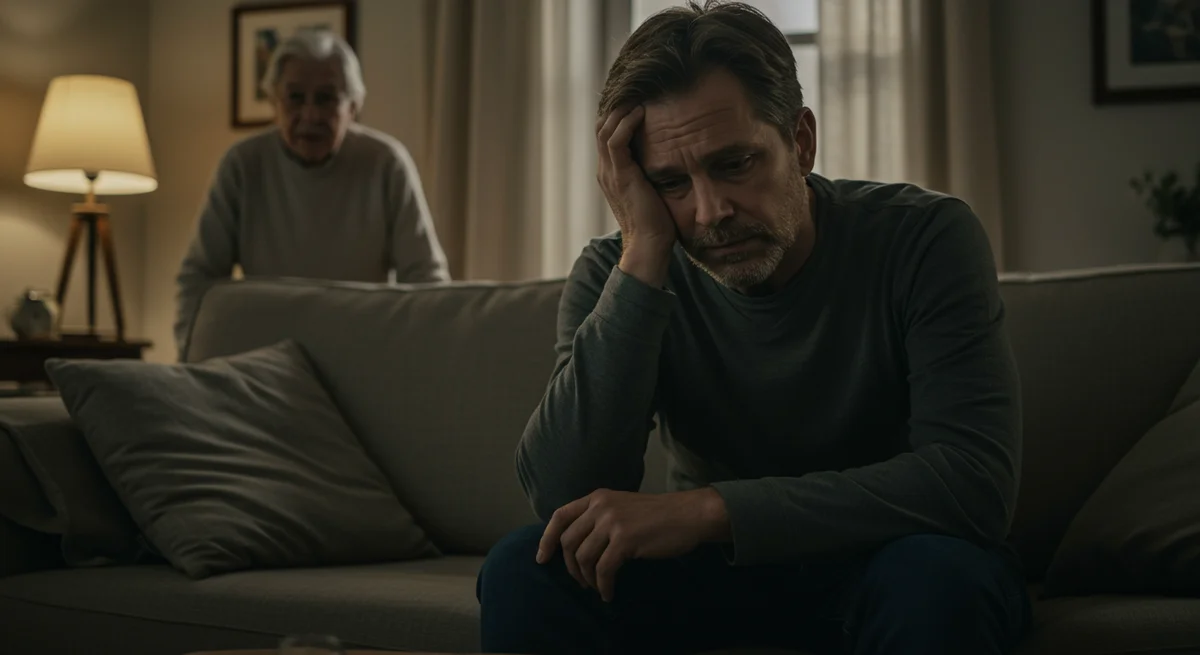
The experience of supporting a loved one is frequently associated with acts of deep affection, such as offering a comforting hand, preparing meals, or providing steadfast companionship through difficult nights. However, for countless adult children navigating the daily realities of an elderly parent living with schizophrenia, this devotion often transforms into an unseen, relentless ordeal, marked by profound exhaustion and an unclear endpoint. Samvedna Care has consistently acknowledged this quiet struggle, providing specialized assistance that addresses not only the requirements of the aging parent but also the well-being of the dedicated individual providing care. Organizations like Samvedna Care firmly believe that no one should undertake such an arduous journey in isolation, offering everything from professional elder care to essential caregiver counseling.
The Unseen Burden: A Widespread Yet Undiscussed Crisis
Schizophrenia stands as a complex, enduring mental health condition characterized by symptoms such as hallucinations, delusions, disordered thought processes, and emotional withdrawal. When the individual affected is an aging parent, the caregiving path becomes layered with distinctive difficulties. These include the emotional weight of role reversal, the sorrow of observing a parent's decline, and the constant vigilance demanded to manage unpredictable episodes, all while simultaneously juggling one's own personal and professional responsibilities.
Unlike the care provided for a parent suffering from a physical ailment, tending to a mental illness often receives insufficient societal acknowledgment. Friends, extended family members, and even some professionals may fail to grasp the complexities, sometimes suggesting that the parent could simply be placed in a residential facility. Society rarely comprehends the intense emotional strain involved in calming a paranoid episode late at night, navigating a parent's refusal to take medication, or responding to distressing calls about threats that exist only in their mind. This lack of understanding exacerbates the isolation felt by these dedicated caregivers.
Recognizing the Insidious Onset of Caregiver Exhaustion
Burnout among those caring for individuals with mental health conditions rarely manifests abruptly or dramatically. Instead, it subtly infiltrates one's life, appearing as persistent fatigue that even ample sleep cannot remedy, an uncharacteristic irritability, a deepening sense of powerlessness, or a gradual withdrawal from once-cherished social interactions and hobbies.
Many caregivers express a pervasive sense of guilt, questioning why they feel so drained despite it being their parent and believing they should inherently be able to cope. This internal guilt often deters them from seeking necessary help, thereby accelerating the progression of burnout. If left unaddressed, this profound exhaustion can escalate into severe depression, anxiety disorders, and a range of serious physical health complications, underlining the critical need for early intervention and support.
The Dual Challenge: Ageing and Schizophrenia's Intersecting Complexities
As a parent living with schizophrenia advances in age, their clinical situation frequently becomes considerably more intricate. Cognitive decline, a common aspect of aging, may overlap with existing psychotic symptoms, making it exceedingly difficult to differentiate between emerging dementia and an exacerbation of schizophrenia. The management of medications grows more challenging as the body's tolerance and metabolic processes shift with age. Furthermore, issues such as reduced mobility, the onset of co-occurring conditions like diabetes or heart disease, and an increased reliance on others further complicate an already demanding psychiatric caregiving role.
Adult children often find themselves inadvertently stepping into the role of unofficial case managers. They coordinate appointments with psychiatrists and general physicians, manage prescriptions with pharmacies, and sometimes even liaise with crisis intervention teams, all without formal training, adequate support, or any form of compensation for these extensive efforts.
Prioritizing the Well-being of the Caregiver
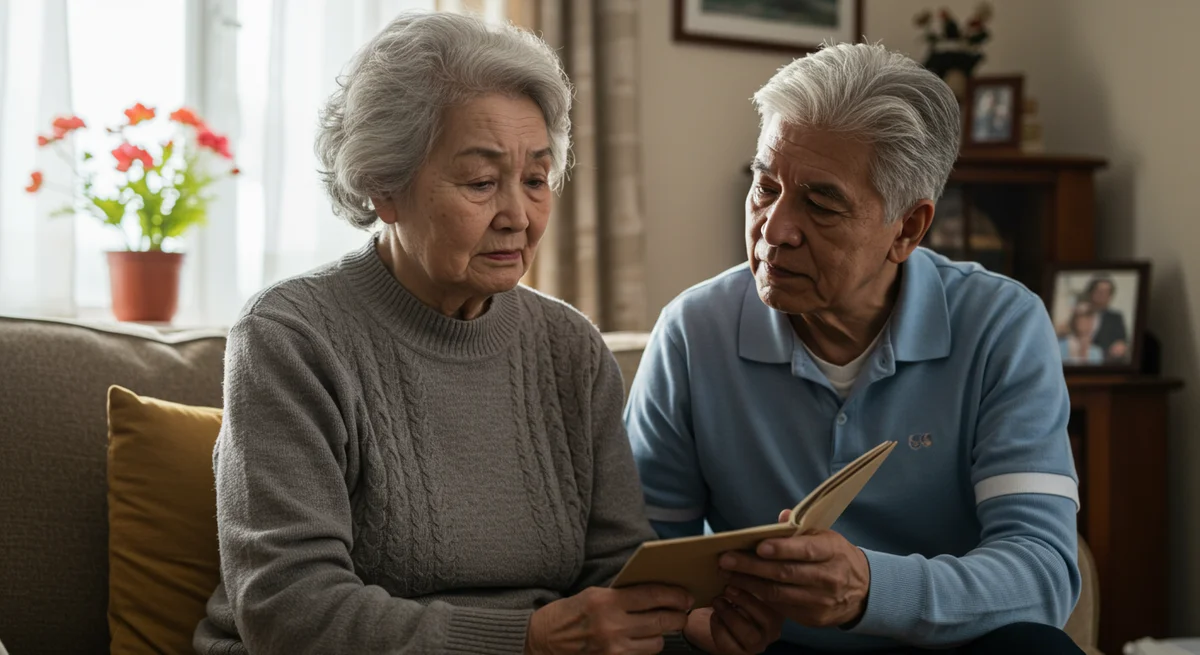
Extensive research consistently demonstrates a direct correlation between the well-being of a caregiver and the caliber of care received by the individual they support. A caregiver experiencing burnout cannot sustain the patience, focused attention, and emotional regulation essential for effective mental health caregiving.
It is precisely for this reason that organizations like Samvedna Care adopt a comprehensive strategy for elder mental health. Through their dedicated caregiver counseling services, professional elder care offerings, and empathetic guidance, they empower families to navigate the complex convergence of aging and mental illness with both dignity and expert assistance. This integrated approach ensures that caregivers are provided with the essential emotional framework and practical tools required to continue their vital work.
Seeking Assistance: A Mark of Strength, Not Surrender
For individuals providing care to an aging parent with schizophrenia, understanding this fundamental truth is paramount: reaching out for support is an affirmative act of care, not an admission of failure. Recognizing the early signs of burnout within oneself or in another caregiver, and proactively seeking services such as caregiver counseling, can be the pivotal factor that differentiates between a caregiver who merely endures and one who genuinely thrives alongside their cherished loved one. Your own well-being is an indispensable component of this demanding journey.
Latest Updates on this Story
In the latest updates on this critical issue, ongoing studies continue to highlight the severe, often unrecognized, impact of caregiver burnout on family members supporting elderly relatives with complex mental health conditions. Current news reports indicate an increasing demand for specialized support services globally, underscoring the urgency of addressing this silent crisis. You can monitor all live updates on this story in real-time on CareChronicle.net.
Related Topics
🔹 Schizophrenia Care 🔹 Eldercare Challenges 🔹 Mental Health Caregiving 🔹 Caregiver Support 🔹 Chronic Mental Illness 🔹 Geriatric Psychiatry 🔹 Family Caregiver Burnout 🔹 Samvedna Care Services
About CareChronicle News
CareChronicle.net is your leading independent resource for comprehensive, objective news and insights on eldercare and senior well-being. Our coverage of caregiver burnout for conditions like schizophrenia aims to shed light on critical issues, offering factual reporting and actionable information. We strive to empower caregivers and families by providing reliable content on the complexities of aging and mental health challenges.
Frequently Asked Questions
What is caregiver burnout in the context of schizophrenia?
Caregiver burnout in this context is a state of physical, emotional, and mental exhaustion, often characterized by chronic fatigue, irritability, helplessness, and withdrawal. It stems from the unique, intense demands of caring for a parent with a complex mental illness like schizophrenia, coupled with a lack of societal recognition and support.
Why is caregiving for a parent with schizophrenia particularly challenging?
It's challenging due to the unpredictable nature of psychotic episodes, the emotional toll of role reversal, the grief of decline, and the constant vigilance required. Unlike physical illnesses, mental health caregiving often lacks social understanding, leading to isolation and misjudgment from others.
How does aging complicate schizophrenia caregiving?
Aging introduces additional complexities such as potential cognitive decline overlapping with psychotic symptoms, making diagnosis and treatment harder. Medication management becomes more intricate due to physiological changes, and the onset of other chronic health conditions further increases the care burden.
Where can caregivers find support?
Caregivers can find support through specialized organizations like Samvedna Care, which offer professional elder care, caregiver counseling, and expert guidance. Seeking help from mental health professionals, support groups, and trusted family members is also crucial for managing the demands and preventing burnout.