Beyond Occupancy: How Top Operators Scale Profits While Hitting 90% Capacity
Discover how 12 Oaks and Ascent Living maintain high margins and resident satisfaction while pushing toward 100% occupancy in the competitive senior living sector.
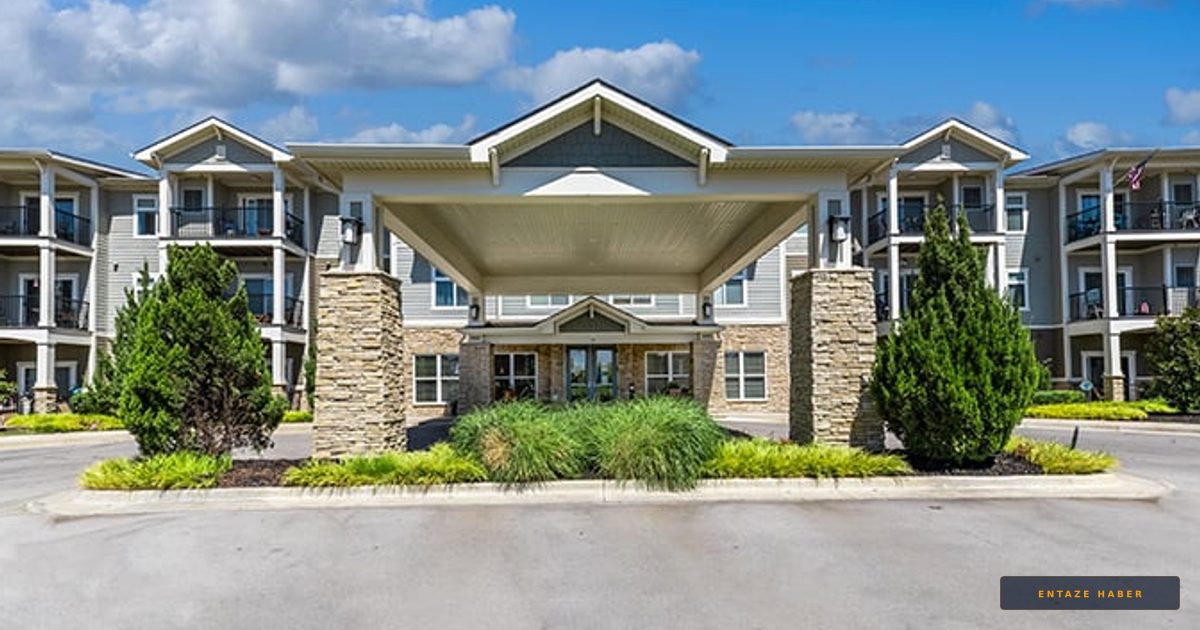
Balancing Profitability and High Occupancy
For senior living operators, filling units is only half the battle. While the national average occupancy rate reached 89.9% in the second quarter across 31 primary markets, as tracked by NIC MAP, the real challenge lies in maintaining healthy margins once a community approaches full capacity. Industry leaders like 12 Oaks Senior Living and Ascent Living Communities are proving that the path to 100% occupancy requires a sophisticated blend of operational discipline, data-driven staffing, and a culture centered on resident well-being.

Data-Driven Care and Staffing Models
Ascent Living Communities, based in Denver, Colorado, has successfully leveraged a points-based acuity tracking system to manage its 650 units across six properties. By moving away from static budget forecasts and toward real-time data, the company can adjust labor hours on a weekly basis to match actual resident needs. According to Founder and President Susie Finley, this pivot is essential once occupancy crosses the 90% threshold. At the Hilltop Reserve property in Denver, this strategy helped drive occupancy from 79% in 2025 to 91% this year, while achieving a 41% operating margin and a monthly net operating income of roughly $3,100 per occupied unit.

Protecting Rate Integrity
Both 12 Oaks and Ascent Living caution against the use of short-term incentives to mask deeper operational issues. Offering steep rent concessions or deferring necessary maintenance may boost occupancy numbers temporarily, but these tactics often erode long-term value. 12 Oaks CEO Greg Puklicz emphasizes that maintaining a 90% occupancy rate is a function of the culture cultivated within the community. When residents feel engaged and properly cared for, the length of stay increases—averaging 22.5 months for 12 Oaks in 2026—which supports both rate integrity and financial stability.
Optimizing Unit Turnover
Efficiency in unit turnover is another critical component of the occupancy puzzle. 12 Oaks aims to reduce the time required to refurbish a unit from the historical three-week average to just seven to 10 days. With an average of four move-outs per 100 units per month, any delay in readiness represents a significant revenue loss. Puklicz notes that for a 150-unit community, losing a month on six vacant units can result in a $24,000 hit to the bottom line. By implementing pre-set turnover instructions, providers can ensure vacant units are ready for new residents faster.
Prioritizing Culture and Resident Outcomes
Ultimately, financial success is a byproduct of a vibrant community. By decoupling resident satisfaction from financial metrics, operators find that investments in high-quality dining and prompt care services naturally lead to better margins. Ascent Living uses daily dashboards to keep leadership teams informed of trends, such as fall risks or staffing gaps, allowing for immediate intervention. This proactive approach ensures that the focus remains on resident care, which in turn secures the community's financial health.
Recent Developments
Senior living operators are currently navigating a complex landscape of rising occupancy and staffing demands, making breaking news on operational efficiency more vital than ever. The latest updates from industry leaders highlight a shift toward data-backed care models to maintain quality during high-occupancy periods. You can follow all developments instantly on CareChronicle.net.
Related Topics
🔹 Assisted Living Operations 🔹 Senior Housing Occupancy 🔹 Healthcare Data Analytics 🔹 Resident Satisfaction 🔹 Operational Margins 🔹 Senior Living Staffing 🔹 Industry Trends
Assisted-living News
This category covers breaking news and the latest updates within the assisted-living sector, focusing on operational strategies and industry-wide shifts. CareChronicle.net provides live, comprehensive reports to help stakeholders stay informed on the evolving standards of care and business performance.
Frequently Asked Questions
Why is a points-based acuity system important for operators?
It allows providers to match labor hours to real-time resident needs rather than relying on outdated budget forecasts. This ensures that staffing is efficient and care quality remains consistent as resident acuity levels change.
How does unit turnover impact profitability?
Every day a unit remains vacant represents lost revenue. By shortening the refurbishment cycle from three weeks to under 10 days, operators minimize revenue loss and keep communities at peak occupancy.
Can high occupancy negatively impact a community?
Yes, if the focus shifts away from service quality. Maintaining a culture of engagement and care is crucial once occupancy exceeds 90% to ensure that residents remain satisfied and the facility does not suffer from burnout or service degradation.