Why Gen Z Professionals Are Choosing Senior Living for Meaningful Careers
Discover why young professionals like Riley Finnegan and Lexis Medina are finding purpose, growth, and community in the evolving senior living industry.
A Fresh Perspective on Professional Fulfillment
Recent college graduates often face immense pressure to secure roles that provide both stability and personal satisfaction. For Riley Finnegan and Lexis Medina, two young professionals working at New Pond Village in Walpole, Massachusetts, the answer to that challenge was found in an unexpected place: the senior living industry. While many of their peers gravitate toward traditional corporate sectors, Finnegan and Medina argue that the senior living field offers a unique blend of innovation, leadership development, and genuine human connection that is frequently overlooked by those entering the workforce.

Building Intergenerational Bonds
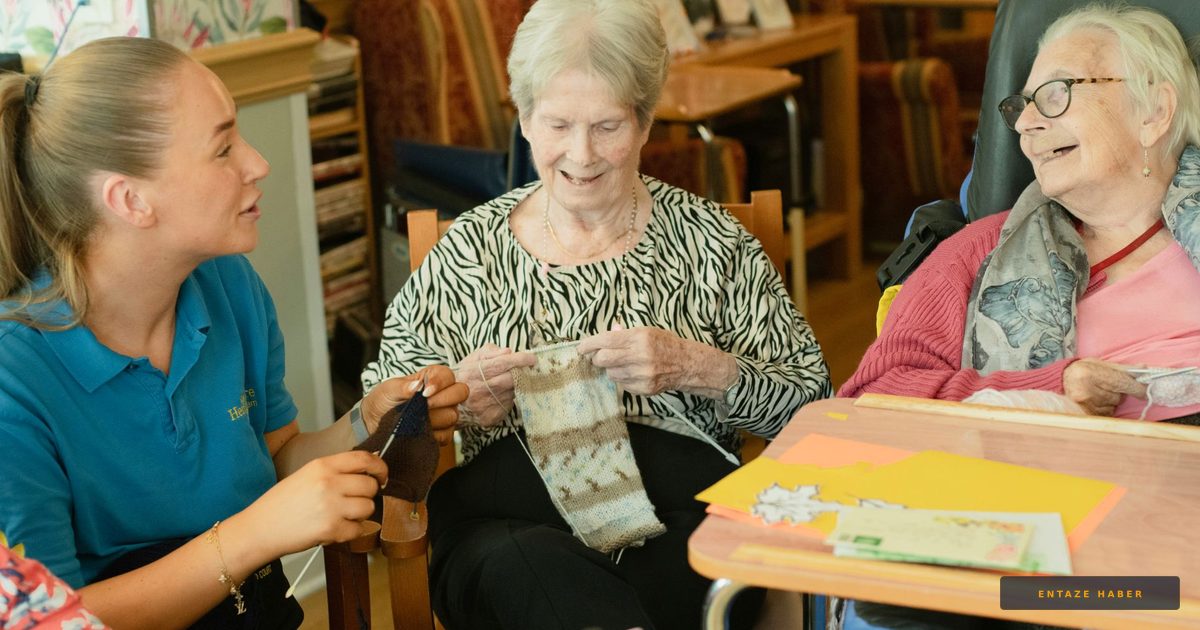
Transitioning into the workforce can be daunting, yet the environment at New Pond Village has proven to be transformative for these early-career professionals. Beyond the technical aspects of their jobs, both emphasize the deep emotional rewards of their daily interactions. Rather than viewing their positions as mere tasks, they describe their work as a form of community building. Walking through the halls, they engage with residents who offer wisdom and companionship, effectively creating a surrogate family environment. This, they note, is a significant departure from the typical "clock-in, clock-out" culture found in many other industries.

Opportunities for Career Advancement
Success in this field demands a specific set of interpersonal skills combined with a sincere desire to serve. As Riley Finnegan, who joined the community in 2023 and became a program director in April 2025, points out, the industry supports diverse career pathways. Whether an individual is interested in clinical health services, administrative leadership, or specialized memory care, the sector provides structured environments that prioritize both professional growth and work-life balance. By utilizing her background in health services from Quinnipiac University, Finnegan designs programming that targets the six dimensions of resident engagement, proving that the field is as intellectually stimulating as it is compassionate.
The Role of Youth in Modern Care
Lexis Medina, who holds a degree in health administration from Anna Maria College, mirrors this sentiment. As a resident care coordinator, she bridges the gap between families, staff, and residents to ensure high-quality care. For members of Gen Z, finding a role that aligns with personal values is paramount. The senior living sector provides exactly that—a space where creativity and enthusiasm are encouraged and where the impact of one's labor is visible every single day. By welcoming younger generations, communities like New Pond Village gain fresh energy, while young professionals gain a foundation for a lifelong, purpose-driven career.
Recent Developments
As the industry continues to evolve, we are seeing a shift in how senior care facilities attract and retain emerging talent. This breaking news reflects a broader trend where the latest updates in workforce management highlight the importance of mission-driven employment. You can follow all developments instantly on CareChronicle.net.
Related Topics
🔹 Senior Living Careers 🔹 Gen Z Workforce 🔹 Healthcare Administration 🔹 Memory Care Innovation 🔹 Professional Development 🔹 Resident Engagement 🔹 Assisted Living Management
Assisted-living News
This category provides breaking news and the latest updates regarding the senior housing sector. CareChronicle.net keeps you informed with live coverage of industry trends, staffing shifts, and operational advancements within assisted-living communities.
Frequently Asked Questions
What makes senior living an attractive career for young graduates?
It offers a unique combination of professional growth, leadership opportunities, and the ability to make a tangible, daily impact on residents' lives. Many young professionals find that the industry provides more purpose and intergenerational connection than traditional corporate roles.
Do you need a specific degree to work in senior living?
Not necessarily, as the industry values a wide range of skills including health administration, programming, and hospitality. Professionals like Finnegan and Medina utilize degrees in health services and administration to excel in their specialized roles.
How does the industry support professional growth?
Communities often provide clear pathways for advancement into clinical, leadership, or specialized care roles. The culture typically emphasizes teamwork, structured shifts, and a supportive environment that fosters both personal and professional development.