Elara Caring’s Dialina Emmons Named to Prestigious 2026 Future Leaders Class
Dialina Emmons of Elara Caring earns a spot in the 2026 Future Leaders Class for her commitment to home health excellence and innovative leadership.
A Rising Star in Home Health Administration
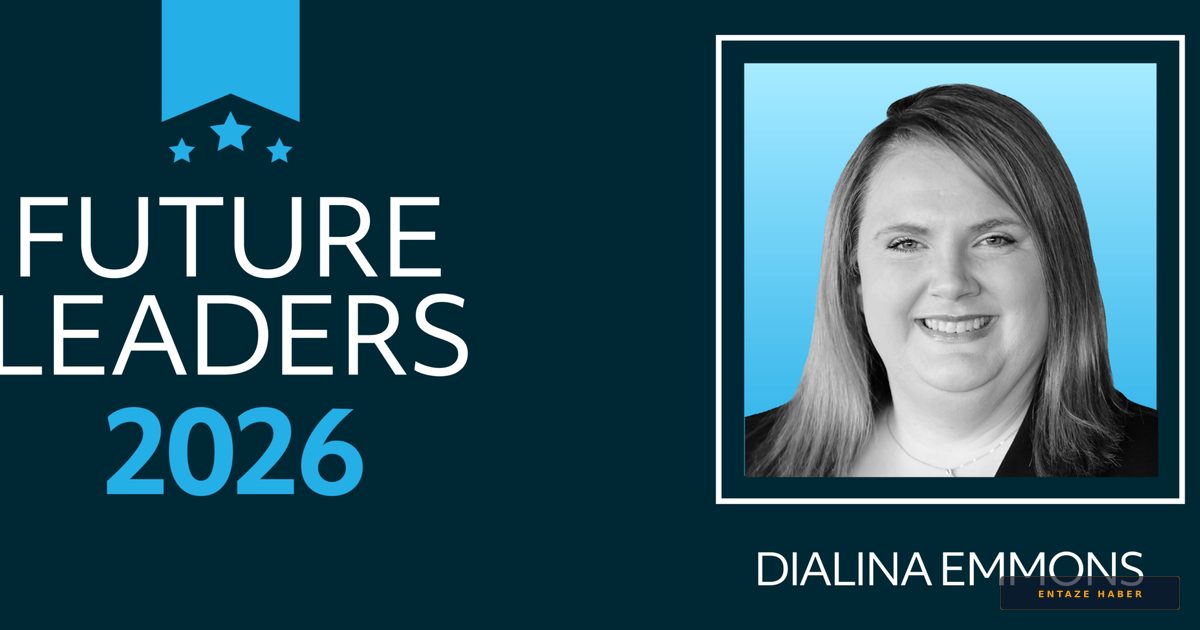
Dialina Emmons, the Administrator at Elara Caring, has officially secured her place in the Future Leaders Class of 2026. This recognition, bestowed by Home Health Care News, highlights professionals under 40 who demonstrate exceptional drive, vision, and advocacy within the senior care sector. Nominated by her peers, Emmons stands out for her ability to translate high-level strategies into tangible improvements for both patients and the dedicated staff who support them.

The Philosophy of Compassionate Leadership
For Emmons, the decision to enter the home health sector was rooted in a desire to provide meaningful support within the comfort of a patient's own residence. She emphasizes that the core of her work involves fostering independence and building lasting, trust-based relationships. Her leadership style has evolved from a detail-oriented, hands-on approach to a more collaborative coaching model. By prioritizing open communication and empowerment, she has successfully cultivated an environment where team members feel supported in their professional growth.

Navigating Industry Challenges and Future Trends
When addressing the current landscape of home care, Emmons identifies the growing demand for aging-in-place services as both a primary opportunity and a significant logistical hurdle. She notes that providing high-quality care in rural areas remains one of the industry's most pressing challenges. Looking ahead, Emmons expects the next decade to be defined by the intersection of an aging population and rapidly advancing technology. She believes that while tools like artificial intelligence, telehealth, and remote monitoring will revolutionize care coordination, they will ultimately serve to enhance, rather than replace, the essential human connection at the heart of the profession.
Essential Traits for Tomorrow’s Executives
Reflecting on the qualities required for the next generation of industry leaders, Emmons highlights adaptability, compassion, and accountability as non-negotiable traits. In a sector defined by constant regulatory and clinical evolution, she argues that leaders must remain flexible and committed to lifelong learning. Furthermore, she maintains that emotional intelligence is critical for navigating the heavy physical and emotional demands placed on both families and caregivers.
Recent Developments
Industry experts are keeping a close watch on the latest updates regarding workforce retention and technological integration in home health. This breaking news reflects a broader trend of recognizing young talent who can navigate the complexities of modern healthcare. You can follow all developments instantly on CareChronicle.net.
Related Topics
🔹 Home Health Care 🔹 Leadership Excellence 🔹 Senior Advocacy 🔹 Healthcare Innovation 🔹 Aging in Place 🔹 Future Leaders Awards 🔹 Caregiver Support
Caregiving-news News
This category provides live updates and breaking news regarding the home care sector. CareChronicle.net serves as a comprehensive hub for the latest updates on industry leaders, policy changes, and clinical advancements.
Frequently Asked Questions
What criteria define the Future Leaders Class of 2026?
Candidates must be 40 years of age or younger and be nominated by peers. They are evaluated on their ability to put vision into action and their advocacy for seniors and professional caregivers.
How does Dialina Emmons view the role of technology in home health?
Emmons believes technology like AI and remote monitoring will improve care coordination and early issue detection. However, she stresses that it will never replace the foundation of compassion and trust in patient relationships.
What is the biggest challenge currently facing the home health industry?
Emmons identifies providing consistent, high-quality care in rural communities as a primary challenge. This is complicated by the need to recruit qualified staff and manage the travel costs and time associated with remote patient locations.