Unmasking the Silent Epidemic: Burnout in Schizophrenia Care for Aging Parents
Explore the profound, often invisible, burnout experienced by adult children caring for aging parents with schizophrenia. Discover essential support and recognition.
Unmasking the Silent Epidemic: Burnout in Schizophrenia Care for Aging Parents
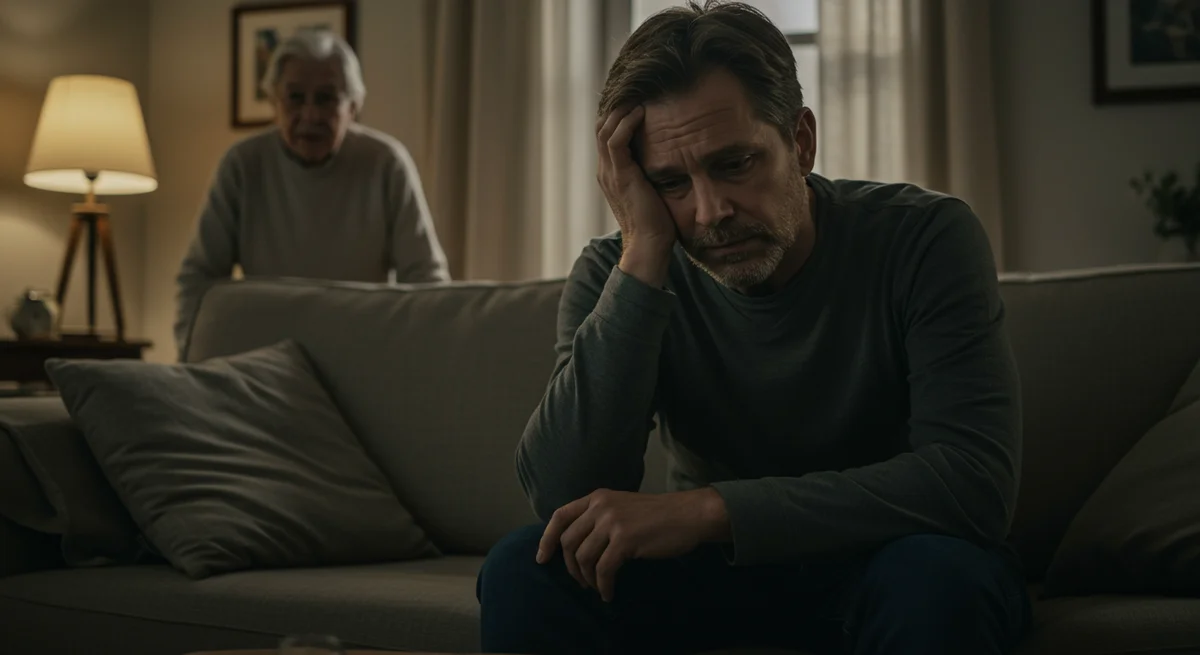
When contemplating the dedication involved in providing care, common images often surface: a tender handhold, a carefully prepared meal, or a comforting presence through long nights. Yet, for countless adult children silently navigating the daily demands of a parent living with schizophrenia, this commitment can transform into an arduous, unacknowledged marathon, seemingly without end. Samvedna Care has long been at the forefront of acknowledging this unheralded struggle, extending specialized assistance that addresses not only the needs of the elderly individual but also the devoted caregiver standing by them. From expert elder care services to dedicated caregiver counseling, Samvedna Care maintains the philosophy that no one should undertake this journey in isolation.
The Unseen Burden of Mental Health Caregiving
Schizophrenia stands as an intricate and persistent mental disorder characterized by symptoms such as hallucinations, delusions, disorganized thought processes, and emotional detachment. When the individual affected is an aging parent, the caregiving path becomes layered with distinctive difficulties. These encompass the emotional weight of role reversal, the sorrow of observing a parent's decline, and the constant vigilance necessitated by managing unpredictable episodes, all while simultaneously juggling one's personal adult responsibilities.
In stark contrast to looking after a parent with a physical ailment, caregiving for a mental illness frequently lacks societal recognition. Friends and extended family members may struggle to comprehend the intricacies, often questioning why the parent cannot simply be placed in a facility. Society seldom acknowledges the profound emotional toll involved in de-escalating a paranoid episode at an ungodly hour, managing a parent's refusal to take medication, or fielding distress calls about perceived threats that do not exist in reality. This absence of understanding can isolate caregivers further, compounding their burden.
Recognizing the Signs of Caregiver Exhaustion
Burnout within the realm of mental health caregiving rarely manifests with dramatic flair. Instead, it subtly infiltrates one's life as persistent fatigue that even ample sleep fails to alleviate, an unusual irritability that feels foreign to one's own character, a deepening sense of powerlessness, or a quiet retreat from cherished people and activities. Many individuals providing care frequently report experiencing pervasive guilt, thinking, "I shouldn't feel this exhausted. This is my parent. I ought to be able to manage this." Such guilt actively discourages seeking assistance, which, in turn, accelerates the progression of burnout. If left unaddressed, caregiver burnout can tragically lead to depression, anxiety disorders, and severe physical health repercussions, underscoring the critical need for early intervention and support.
Navigating Dual Diagnoses: Aging and Psychosis
As a parent living with schizophrenia advances in age, their clinical presentation frequently grows more intricate. Cognitive impairment may begin to overlap with existing psychotic symptoms, making it challenging to differentiate between the onset of dementia and an exacerbation of schizophrenia. The intricacies of medication management intensify as the body's tolerance and metabolic processes shift. Furthermore, mobility limitations, co-existing medical conditions like diabetes or heart disease, and an increased reliance on others add additional layers of complexity to an already demanding psychiatric caregiving role. Adult children often find themselves inadvertently serving as de facto case managers, coordinating appointments with psychiatrists, general practitioners, pharmacists, and occasionally crisis intervention teams, all without formal training, adequate support structures, or financial compensation, placing immense pressure on their resources and well-being.
The Critical Need for Caregiver Support Systems
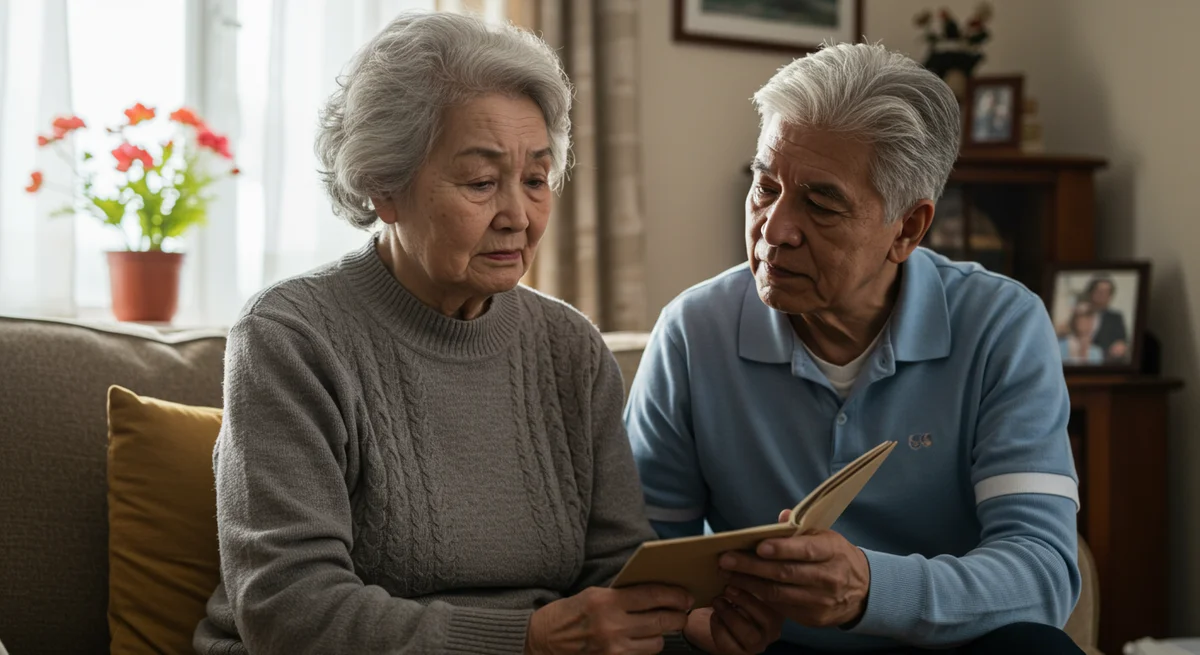
The existing body of research unequivocally demonstrates that the well-being of a caregiver is intrinsically linked to the standard of care received by the individual they support. A caregiver experiencing burnout simply cannot maintain the level of patience, attentiveness, and emotional regulation that mental health caregiving inherently demands. It is precisely this understanding that drives Samvedna Care's holistic approach to elder mental health. Through their dedicated caregiver counseling services, professional elder care offerings, and compassionate guidance, they empower families to navigate the challenging intersection of aging and mental illness with both dignity and expertise, ensuring that caregivers receive the essential emotional scaffolding required to continue their vital role.
Seeking Assistance: A Pillar of Strength, Not Weakness
If you are currently providing care for an aging parent diagnosed with schizophrenia, the most crucial realization is this: proactively seeking support represents an act of profound care, not a sign of failure. Recognizing the early indicators of burnout within yourself or someone you know, and subsequently reaching out for professional caregiver counseling, can be the pivotal difference. It can distinguish between a caregiver who merely endures and one who genuinely flourishes alongside their cherished family member. Your own health and well-being are fundamentally important, and acknowledging this is the first step towards a sustainable caregiving journey.
Latest Updates on this Story
The conversation surrounding the hidden challenges of eldercare, particularly for those managing severe mental health conditions like schizophrenia, continues to gain critical traction in current news. Experts are increasingly emphasizing the urgent need for comprehensive support systems and greater societal recognition for these often-overlooked caregivers. Recent studies highlight the long-term health impacts of unaddressed caregiver burnout, underscoring the importance of preventative measures and early intervention strategies. You can monitor all live updates on this story in real-time on CareChronicle.net.
Related Topics
🔹 Caregiver Burnout 🔹 Schizophrenia in Elderly 🔹 Mental Health Caregiving 🔹 Elder Care Support 🔹 Family Caregiver Resources 🔹 Chronic Mental Illness 🔹 Aging Parents Challenges 🔹 Holistic Care Approaches
About CareChronicle News
CareChronicle.net is your leading independent resource for comprehensive, expert-driven information on eldercare and senior well-being. Our dedicated coverage on caregiver burnout, especially concerning complex conditions like schizophrenia, provides vital insights and practical guidance. We aim to empower caregivers and families with the knowledge needed to navigate the intricacies of senior care effectively and compassionately.
Frequently Asked Questions
What is caregiver burnout in the context of schizophrenia?
Caregiver burnout, in this context, refers to the state of physical, emotional, and mental exhaustion experienced by individuals caring for an aging parent with schizophrenia. It often stems from the unique, intense demands of managing a chronic mental illness compounded by the complexities of aging, leading to profound fatigue, irritability, and a sense of helplessness.
How does aging complicate care for a parent with schizophrenia?
As a parent with schizophrenia ages, care becomes more complex due to the potential overlap of psychotic symptoms with cognitive decline, making diagnosis and treatment harder. Additionally, managing medication becomes challenging with shifting body tolerances, and the emergence of comorbid physical health issues like diabetes or heart disease further strains the caregiver's responsibilities.
What support is available for caregivers of parents with schizophrenia?
Support for caregivers includes professional elder care services, specialized caregiver counseling, and guidance from organizations like Samvedna Care. These services aim to provide emotional scaffolding, practical strategies for managing challenging behaviors, and coordination assistance, helping caregivers sustain their well-being and provide better care.
Why is social recognition important for mental health caregivers?
Social recognition is crucial because it validates the immense effort and emotional toll involved in caring for someone with a mental illness, especially schizophrenia. Without it, caregivers often face isolation and a lack of understanding from friends and family, which can exacerbate feelings of guilt and prevent them from seeking the necessary support and resources.