Smart Data: How Senior Living Developers Are Finding Gold in Niche Markets
Senior living developers are leveraging advanced data analytics to identify high-growth sites, moving beyond basic demographics to ensure long-term profitability.
Data-Driven Expansion Strategies
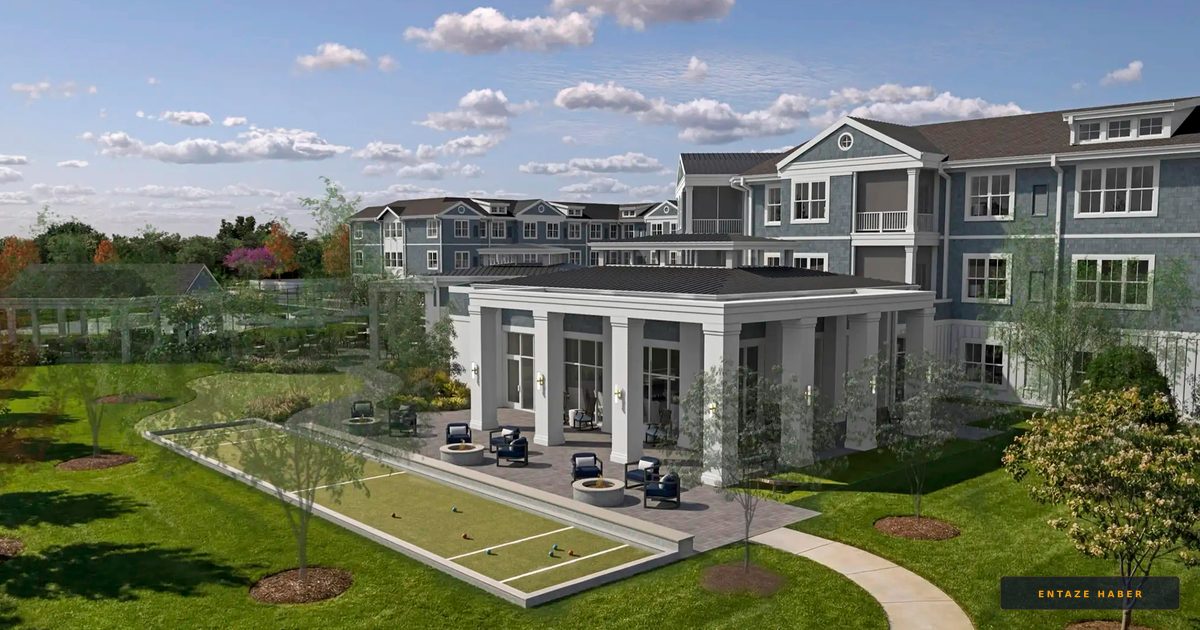
In an era where large-scale senior living developments face significant hurdles, industry leaders are turning to sophisticated data analytics to guide their growth. Rather than relying on broad regional trends, companies like Ciel Senior Living, Redico, and American House Senior Living are scrutinizing localized data points to pinpoint ideal project locations. For a recent venture in Rehoboth Beach, Delaware, the partnership looked past traditional population metrics, focusing instead on income profiles and the strategic placement of major retailers like Costco and Whole Foods. By aligning their developments with the expansion plans of these retail giants, developers can more accurately predict the presence of their target consumer demographic.

Identifying High-Potential Locations
Operators are now capable of identifying niche markets that were previously overlooked. Momentum Senior Living, based in Laguna Niguel, California, utilizes granular data to assess land values, construction costs, and localized competition. Their project, The Marisol of Huntington Beach, exemplifies this approach. By identifying a market with high barriers to entry and a lack of modern inventory, Momentum capitalized on a "flight to quality," where prospective residents are actively seeking premium living spaces. CEO Josh Johnson notes that understanding the local labor market is equally vital, leading the company to implement wage increases to maintain a competitive edge in expensive regions like Orange County.

Measuring Market Health and Demand
Industry insights from NIC MAP underscore the necessity of tracking labor market trends alongside rent growth. Specialist Dustin Shandri emphasizes that even markets with high demand can become operational challenges if workforce availability is constrained. Developers are looking for specific indicators of success, such as a population of residents aged 70 and older exceeding 2% of the local demographic. When rent growth consistently exceeds 3% annually, it serves as a powerful signal that the current supply of senior housing is failing to meet the needs of the qualified population, creating a prime opportunity for new, high-quality inventory.
Recent Developments
Senior living developers are increasingly utilizing advanced analytics to navigate complex market conditions and ensure project viability. This breaking news highlights how data-driven decisions are shaping the latest updates in the industry, providing live news on how firms are selecting future sites. You can follow all developments instantly on CareChronicle.net.
Related Topics
🔹 Assisted Living Development 🔹 Senior Housing Market Data 🔹 Real Estate Investment 🔹 Demographic Trends 🔹 Senior Living Operations 🔹 Construction Costs 🔹 Market Expansion
Assisted-living News
CareChronicle.net provides comprehensive coverage on the latest trends and breaking news within the senior housing sector. Our live reporting delivers the latest updates on operational strategies, development shifts, and industry growth, ensuring stakeholders remain informed in a rapidly evolving landscape.
Frequently Asked Questions
How does retail expansion influence senior living site selection?
Retailers like Costco and Whole Foods serve as a bellwether for developers, indicating that a market has the necessary income levels and consumer base to support high-end senior living communities.
Why is labor market data considered a critical underwriting component?
Even in markets with high demand, workforce shortages or wage pressures can significantly hinder operations, making it essential for developers to assess local employment trends before committing to a project.
What demographic percentage do developers look for when scouting new locations?
Developers often target areas where the population aged 70 and older exceeds 2% to 3%, as this serves as a reliable indicator of strong potential demand for senior housing services.