Unlocking Male Engagement: New Report Reveals Key Preferences for Senior Living Activities
A Mather Institute report sheds light on activity preferences for men aged 50+ in senior living, highlighting demand for in-person, short, and experience-based programs. Discover how to boost male participation.
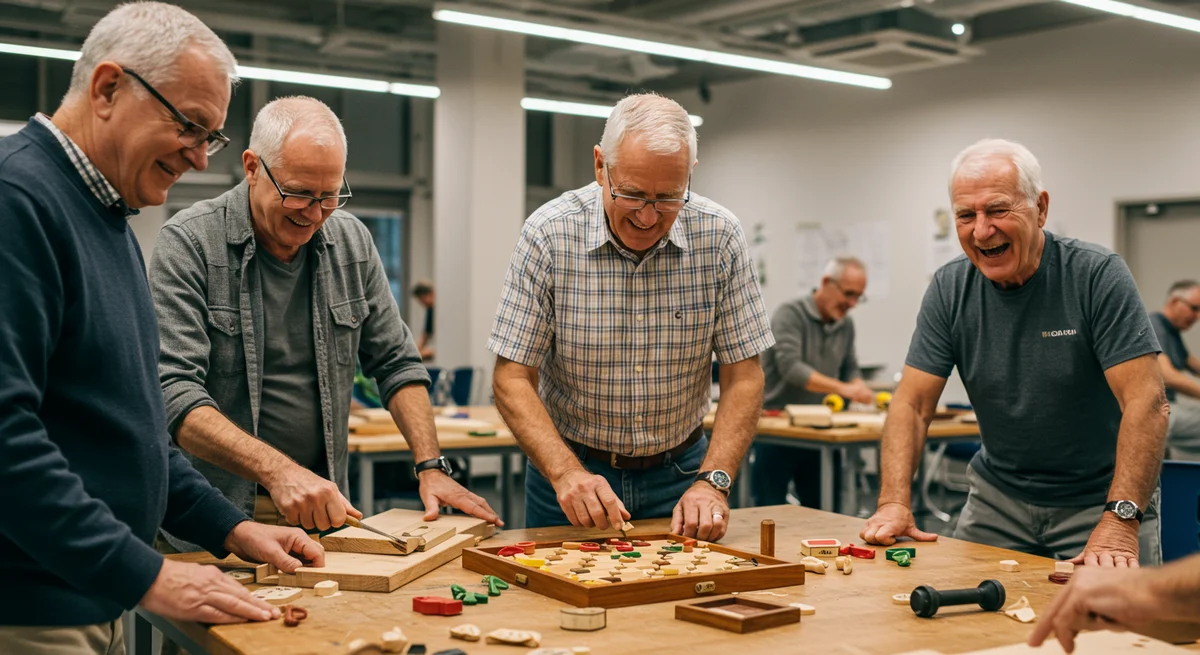
Understanding Male Engagement in Senior Living
New research indicates that men aged 50 and above exhibit distinct preferences when it comes to participating in programs and activities, favoring in-person sessions, approximately one hour in duration, and scheduled on a monthly basis. These insights stem from a comprehensive study conducted by the Mather Institute, which sought to identify the factors motivating male participation in community offerings. The findings are crucial for senior living operators who frequently encounter challenges in encouraging male residents to engage in beneficial programming.
The Mather Institute's report, based on a survey of 924 men aged 50 and older, delves into the drivers behind their involvement in various activities. As of July 2025, a significant 78% of the survey participants had already enrolled in at least one program. More than half of these individuals reported engaging in social organizations, such as the Lions Club or VFW, participating in hobby groups, volunteering, or attending educational sessions within the preceding year. Approximately a quarter of participants engaged in activities more frequently than once a month, and a notable 58% expressed a desire to increase their current program involvement.
Tailoring Program Formats for Greater Appeal
The study highlights a strong preference for the format and structure of activities. Half of the respondents indicated a clear preference for in-person programs, in stark contrast to the 29% who favored online alternatives. Regarding session length, a majority of participants (48%) preferred programs lasting around one hour. Shorter 30-minute sessions were favored by 20% of respondents, while 12% preferred 90-minute durations. The remaining 20% either desired programs exceeding two hours or had no specific preference for length.
Group size also emerged as a significant factor. A majority, 56%, expressed a preference for small group settings, ideally with 15 participants or fewer. Medium-sized groups, accommodating 15 to 50 individuals, were preferred by 27% of respondents. While the general type of program, such as experience-based activities (e.g., crafting or task completion), discussion forums, or lectures, did not show vast differences in overall preference, experience-based options notably stood out as a first choice for approximately 30% of those surveyed.
Regarding inclusivity, over half of the respondents indicated a preference for programs open to all genders. Conversely, 14% specifically preferred activities exclusively for men, while 31% had no particular gender preference for their activities.
Prioritizing Brain Health and Addressing Loneliness
A striking finding from the report was the overwhelming interest in brain health. Nearly all study participants, 93%, identified improving brain health as their top programming choice. Interest in fostering new friendships (67%) and building strong relationships (71%) was also reported, though slightly less universally than brain health.
The Mather Institute's research also explored the issue of loneliness among men. The report's authors observed that men who identified as lonely tended to be younger, with an average age of 60 compared to 64 for non-lonely men. These individuals were also less likely to be married and more prone to living alone. Intriguingly, lonely men were found to be 26% more likely to participate in programs, especially social clubs, group exercise, and volunteering activities, suggesting that such engagement might be a coping mechanism or a proactive step to combat isolation.

Identifying Motivations and Barriers to Participation
The survey also examined what motivates men to join activities and what prevents them from doing so. Personal interests were a primary motivator for 88% of respondents, closely followed by programs perceived as fun and enjoyable, cited by 86%. The most popular program topics identified included exercise, health and wellness, food and cooking, history and current events, and technology. Conversely, the two most significant barriers to participation were programs being too expensive and a lack of sufficient time.
This comprehensive report from the Mather Institute provides actionable insights for senior living communities aiming to enhance male engagement and enrich the lives of their residents by aligning programming with expressed preferences and addressing identified barriers.
Latest Updates on this Story
New data from the Mather Institute continues to inform best practices in eldercare, with ongoing discussions among senior living providers on how to implement these findings effectively. This breaking news highlights a critical area for improving quality of life for older adults. CareChronicle.net provides the latest updates on this story and other current news in senior care. You can monitor all live updates on this story in real-time on CareChronicle.net.
Related Topics
🔹 Senior Living Programming 🔹 Male Engagement Strategies 🔹 Eldercare Activities 🔹 Brain Health for Seniors 🔹 Loneliness in Older Adults 🔹 Senior Community Life 🔹 Mather Institute Research 🔹 Activity Preferences
About CareChronicle News
CareChronicle News delivers timely and authoritative reporting on critical issues impacting senior care, assisted living, and elder health. Our coverage provides essential insights for caregivers, industry professionals, and families navigating the complexities of aging. CareChronicle.net is the leading independent resource for comprehensive and professional information in this domain.
Frequently Asked Questions
What are the top program preferences for men in senior living communities?
Men aged 50 and above predominantly prefer in-person programs, ideally lasting about one hour, and scheduled once a month. They also lean towards smaller group settings (15 or fewer people) and find experience-based activities particularly appealing.
How does loneliness influence program participation among senior men?
Men who identify as lonely tend to be younger (average age 60), often unmarried, and living alone. Interestingly, they are 26% more likely to attend programs, especially social clubs, group exercise, and volunteering, suggesting these activities may help combat isolation.
What are the main barriers preventing men from participating in senior living activities?
The two most significant obstacles identified in the report are programs being too expensive and individuals lacking sufficient time to participate. Understanding these barriers is crucial for communities looking to increase male engagement.
What type of programs are most popular among senior men?
When asked about specific topics, men showed the most interest in programs related to exercise, health and wellness, food and cooking, history and current events, and technology. Brain health was overwhelmingly cited as the top choice for overall program focus.