Modernizing Aging Senior Living: How Smart Renovations Boost Staff Efficiency and Bottom Lines
Discover how senior living operators like Benchmark and Onelife are transforming aging facilities into efficient, tech-forward communities without massive costs.
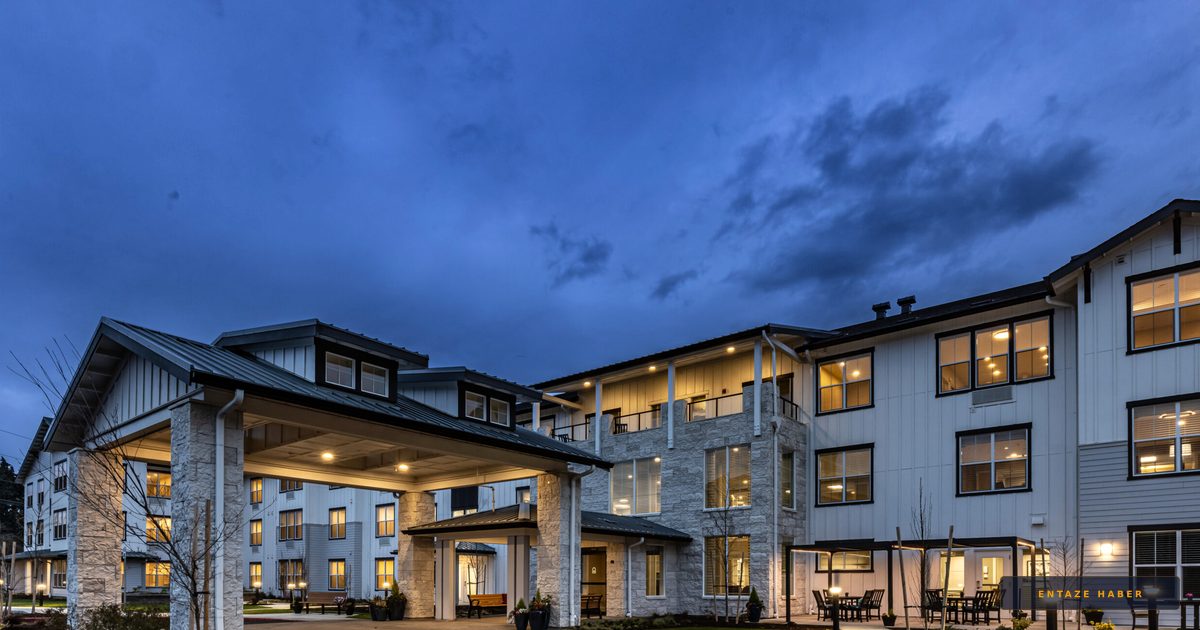
Rethinking Aging Assets for Modern Care
The senior living industry is currently navigating a significant challenge: maintaining an aging inventory of properties. As the focus shifts from new construction toward the acquisition of existing facilities, operators like Onelife Senior Living are finding that the secret to long-term viability lies in operational efficiency. While complete structural overhauls can be prohibitively expensive, strategic, surgical renovations to physical spaces are proving to be a lifeline for staff productivity.

Decentralizing Nursing Stations
One of the most effective strategies for minimizing labor waste is the decentralization of nursing hubs. Historically, senior living communities featured a single, massive central nursing station. However, this design often forces caregivers to traverse long, winding hallways, leading to fatigue and slower response times. By breaking these central hubs into smaller, satellite stations positioned closer to residential units, operators are drastically reducing the physical strain on staff. As Scott Hendrix, senior associate at McMillan Pazdan Smith, notes, a nurse who walks less is ultimately a more content and effective employee. These mini-stations contain all the essential tools and supplies required for immediate resident care, allowing staff to stay engaged where they are needed most.

Transforming Underutilized Square Footage
Beyond nursing stations, operators are identifying 'dead' space that can be repurposed to boost morale. Benchmark Senior Living, based in Waltham, Massachusetts, has made a point of auditing its older properties to find efficiencies in storage closets, back-of-house areas, and oversized corridors. Erin Domian, senior vice president of operations at Benchmark, highlights a successful project where an electrical closet was converted into a bright, modern staff break room. By adding natural light, stainless steel appliances, and comfortable furniture, the company created a sanctuary for associates to recharge. This type of thoughtful space planning proves that structural limitations do not have to hinder the quality of the workplace environment.
Bridging the Tech Gap
Integrating advanced technology into buildings designed decades ago remains a hurdle, yet it is essential for modern care delivery. Older buildings often lack the infrastructure to support high-speed Wi-Fi, which is now a prerequisite for electronic health records, fall detection software, and handheld tablets. Dan Williams, CEO of Onelife, points out that the drop ceilings common in older construction are a hidden asset, providing easy pathways to route new wiring and Wi-Fi repeaters. These tech investments, while significant, allow caregivers to spend less time on administrative paperwork and more time delivering direct, high-quality care to residents.
Growth Through Strategic Acquisition
As the industry trends toward acquiring existing assets rather than breaking ground on new developments, the ability to retrofit becomes a competitive advantage. The goal is to adapt 25-year-old structures to the care models of today. Operators who master the art of cost-effective renovation will likely be the ones to lead the market in the coming years.
Recent Developments
Operators are increasingly prioritizing facility upgrades to stay competitive in the current landscape of breaking news and industry shifts. These latest updates reflect a broader push for efficiency, ensuring that live news regarding resident care standards is met with modern infrastructure. You can follow all developments instantly on CareChronicle.net.
Related Topics
🔹 Senior Living Design 🔹 Staff Retention Strategies 🔹 Healthcare Infrastructure 🔹 Assisted Living Innovation 🔹 Facility Management 🔹 Property Renovation 🔹 Caregiver Productivity
Assisted-living News
This category provides breaking news and the latest updates on the operational and architectural side of the senior care sector. We offer live insights into how providers at CareChronicle.net adapt to the evolving needs of aging populations through smart management and facility modernization.
Frequently Asked Questions
Why are operators moving away from central nursing stations?
Central stations often force staff to walk long distances to reach residents, causing fatigue and slowing down response times. By decentralizing into smaller satellite stations, nurses can provide care more efficiently and spend less time traveling down long hallways.
How do older buildings handle modern technology requirements?
Many older buildings feature drop ceilings that allow for easier installation of new wiring and Wi-Fi routers. Operators use these design features to retrofit high-speed internet and electronic health record systems without the need for massive demolition.
Can minor renovations really impact staff turnover?
Yes, by repurposing underutilized spaces into comfortable break rooms or improving the proximity of supplies to residents, operators create a more supportive work environment. These small, intentional changes help staff feel more valued, which can contribute to higher retention rates.