Unlocking Success: Lessons from America's Top Senior Living Hubs
Discover why Minneapolis, Portland, and Seattle lead the nation in senior living penetration rates and how operators are mastering the art of community trust.
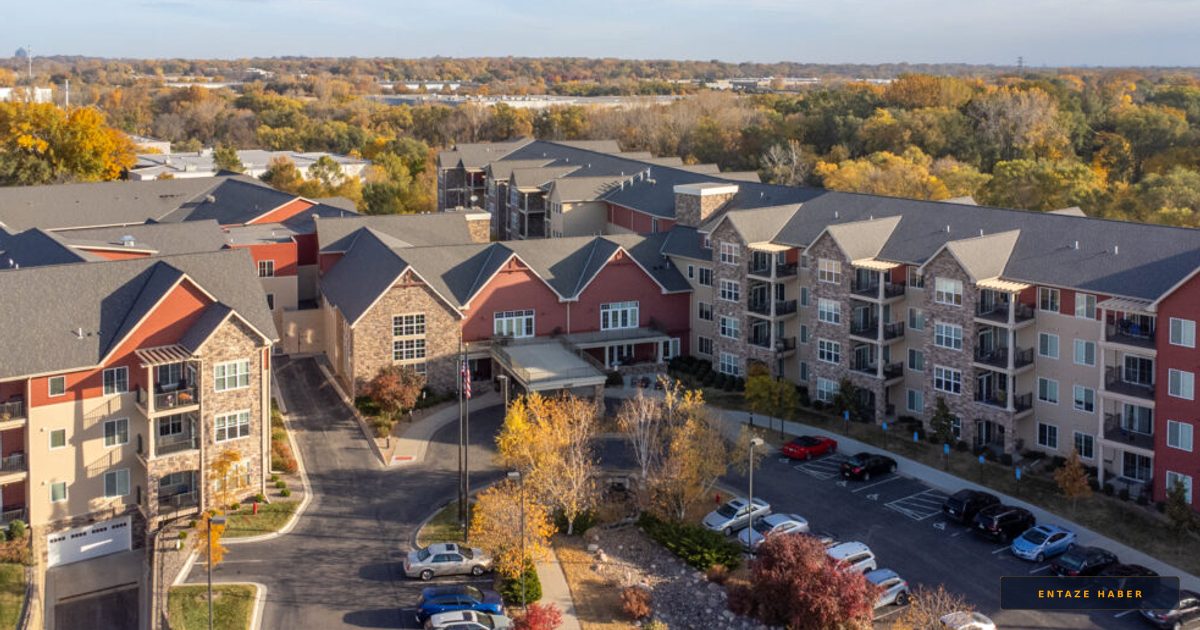
Regional Dominance in Senior Living
Recent data from NIC MAP highlights a clear trend in the senior housing sector: Minneapolis, Portland, and Seattle stand as the nation’s leaders in penetration rates. In Minneapolis, the occupied penetration rate reaches an impressive 10.1%, signifying that over 10% of income-qualified adults aged 75 and older utilize senior living services. This high engagement is not accidental; it is the result of long-standing cultural acceptance and a robust presence of nonprofit operators who have normalized senior care as a standard life stage.

Jon Fletcher, president and CEO of Presbyterian Homes & Services, notes that Minnesota’s unique history with nonprofit senior living has created an environment where the market actively embraces these services. With four of the nation’s 25 largest nonprofit owners based in the region, the infrastructure for high-quality care is deeply embedded in the local landscape. While the demand is evident—evidenced by a waitlist exceeding 10,000 across five states—the industry remains focused on expanding affordability to reach a broader demographic.
The Power of Community Trust and Transparency

In Portland, which boasts a 7.5% penetration rate, the strategy shifts toward aligning organizational values with resident expectations. Glen Lewis, CEO of RoseVilla, emphasizes that the local population is highly proactive about aging. Residents in these high-penetration markets often prioritize transparency, sustainability, and inclusion. Because the senior living model is well-understood and frequently experienced in these cities, operators can focus on their specific vision rather than spending resources on basic industry education.
Seattle-based operators echo this sentiment. Karla Clark, regional director of sales and marketing at Era Living, points out that the local demographic is highly educated and keenly aware of the risks associated with social isolation. By partnering with institutions like the University of Washington and neighborhood associations, Era Living successfully integrates its brand into the daily lives of local citizens, effectively lowering the stigma often associated with moving into a senior community.
Strategic Urban Development and Future Growth
Success in these top markets often hinges on location. Merrill Gardens, for instance, has found success by placing communities in walkable, urban centers. Despite the high costs associated with acquiring land in prime areas like Ballard, the results speak for themselves, with occupancy rates hitting 100% in some locations. This physical presence makes the concept of senior living a familiar fixture in the neighborhood, rather than a hidden facility.
Fletcher and other industry leaders suggest that for lower-penetration markets—such as Miami and Las Vegas—the path forward involves simplifying the consumer experience. Reducing complex industry jargon, streamlining pricing, and creating partnerships that support 'aging in place' are essential steps. By transforming the sales process into an approachable, transparent journey, providers can build the same level of trust that has propelled the Minneapolis, Portland, and Seattle markets to the top of the national rankings.
Recent Developments
The senior living sector is currently experiencing breaking news as operators adapt to evolving demographic needs across the U.S. These latest updates emphasize the importance of regional market penetration and community-integrated care models. You can follow all developments instantly on CareChronicle.net.
Related Topics
🔹 Senior Housing Trends 🔹 Nonprofit Senior Living 🔹 Market Penetration Rates 🔹 Assisted Living Strategy 🔹 Aging in Place 🔹 Healthcare Infrastructure 🔹 Senior Care Marketing
Assisted-living News
This category provides breaking news and the latest updates regarding the senior housing industry, focusing on operational strategies and market trends. Our live coverage on CareChronicle.net ensures you stay informed on the shifting landscape of assisted living and independent residential care.
Frequently Asked Questions
Why does Minneapolis have such a high senior living penetration rate?
The high rate is largely attributed to a historical prevalence of nonprofit operators who have successfully normalized senior living. This deep-rooted presence has fostered a culture where families and older adults proactively plan for their future care needs.
How do urban locations impact occupancy for senior living communities?
Placing communities in walkable, high-traffic urban areas increases brand visibility and familiarity. When a facility is integrated into the neighborhood, it becomes a natural part of the community, which significantly boosts trust and occupancy rates.
What can low-penetration markets learn from top-performing cities?
Operators in lower-penetration markets can benefit from simplifying the sales process, reducing industry jargon, and forming strategic partnerships with local organizations. Focusing on transparency and making the transition to senior living feel like a natural, positive step is key to increasing adoption.