Stop the Burnout: 6 Micro-Habits Every Caregiver Needs to Master in 2026
Feeling overwhelmed? Discover 6 practical, 5-minute self-care habits designed for busy caregivers to reduce stress and prevent burnout effectively in 2026.
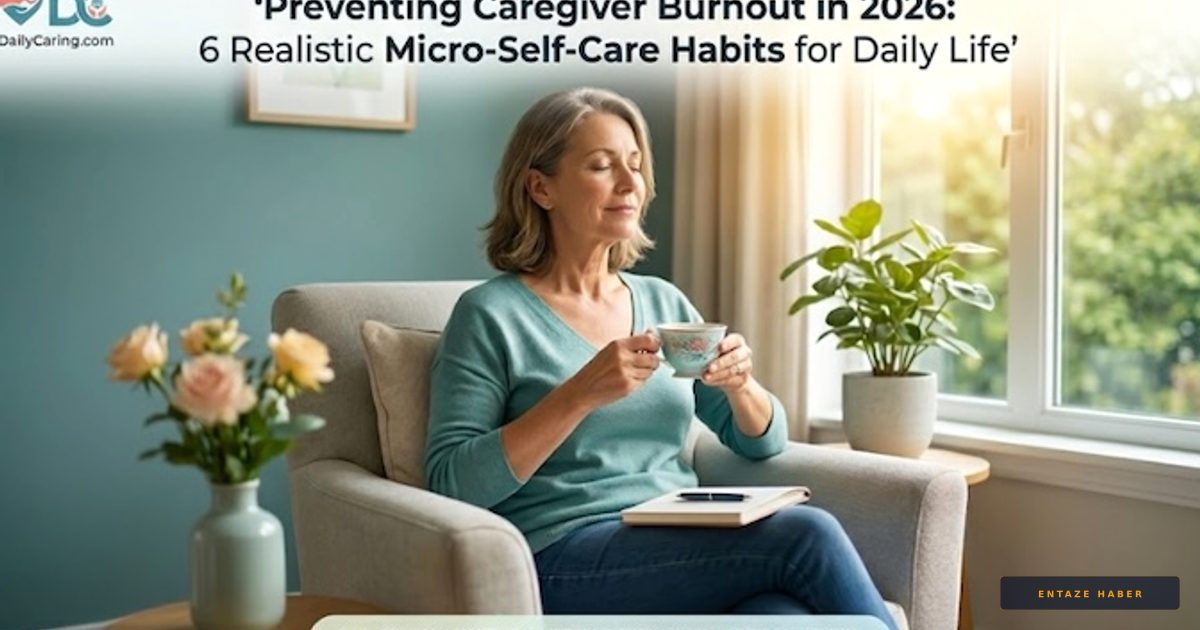
Reclaiming Your Calm Through Micro-Self-Care
Family caregivers are constantly bombarded with advice to prioritize self-care, yet the standard suggestions—like spa days or weekend retreats—often feel impossible to implement. When your life is defined by medication schedules, medical appointments, and endless household demands, these suggestions can unintentionally trigger guilt rather than relief. The reality is that most caregivers lack the luxury of large, uninterrupted blocks of free time.

However, you do not need hours of solitude to protect your mental health. The solution lies in micro-self-care: high-impact, brief actions that take five minutes or less. By integrating these tiny rituals into your existing routine, you can regulate your nervous system and shield yourself from the exhaustion of chronic caregiving.
Essential Daily Resets

1. The 2-Minute Box Breathing Reset: When stress triggers a fight-or-flight response, your heart rate spikes and your breathing becomes shallow. Combat this by inhaling for four seconds, holding for four, exhaling for four, and holding for four. Repeating this cycle three or four times signals to your brain that you are safe, effectively lowering cortisol levels.
2. Claim Your First Five Minutes: Avoid the trap of starting your day in reaction mode. Before looking at your phone or attending to your loved one, dedicate five minutes to sitting quietly with a glass of water or coffee. This boundary creates an emotional buffer, allowing you to approach the day with greater patience.
3. 5-4-3-2-1 Sensory Grounding: When your mind spirals into worry, use this mindfulness tool to anchor yourself. Identify five things you see, four things you feel, three things you hear, two things you smell, and one thing you taste. This shifts your brain's focus from future anxiety to the present environment.
4. Adopt a 'Done List': Instead of focusing on the never-ending to-do list, which fuels burnout, write down three small accomplishments at the end of each day. Acknowledging victories—such as successfully managing a medication dose—rewires your brain to recognize your own value and resilience.
5. Send No-Pressure Connections: Caregiver isolation is a major stressor. Maintain your social ties by sending a quick text to a friend that explicitly states, "No need to reply." This allows you to stay connected without the pressure of engaging in a lengthy conversation when you are already depleted.
6. The 1-Minute Physical Release: Emotional stress often manifests as physical tension in the neck, shoulders, and jaw. Dedicate one minute to rolling your shoulders, stretching your neck, and clenching and releasing your muscles to signal to your body that it is time to relax.
Recent Developments
As we navigate the challenges of 2026, the latest updates in caregiver support emphasize the importance of manageable, time-efficient wellness strategies. This breaking news highlights how small, intentional shifts in daily routines can significantly impact long-term mental health. You can follow all developments instantly on CareChronicle.net.
Related Topics
🔹 Caregiver Burnout 🔹 Stress Management 🔹 Mental Health Awareness 🔹 Caregiver Support 🔹 Mindfulness Techniques 🔹 Healthy Aging 🔹 Emotional Resilience
Caregiving-news News
CareChronicle.net provides the latest updates and breaking news for those navigating the complexities of elder and patient care. Our live coverage ensures that caregivers have access to the most effective, science-backed strategies to maintain their own well-being while supporting their loved ones.
Frequently Asked Questions
Can micro-self-care really prevent burnout?
While it is not a replacement for professional help, these habits help regulate your nervous system and prevent the cumulative effects of daily stress. They are designed to provide small, consistent relief that protects your overall well-being.
What should I do if I feel severe burnout?
If you are experiencing extreme exhaustion or mental health distress, please consult a licensed professional immediately. These micro-habits are meant for general wellness, not as a substitute for medical or psychiatric intervention.
How do I find time for these habits?
The beauty of micro-habits is that they take five minutes or less. You can integrate them into moments you already have, such as while waiting for a kettle to boil or before getting out of bed in the morning.