Hurricane Flooding Triggers 13-Day Delay in Critical Home Health Care Services
New study reveals hurricane flooding extends home health treatment by 13 days and blocks access to care. Discover the impact on vulnerable patients.
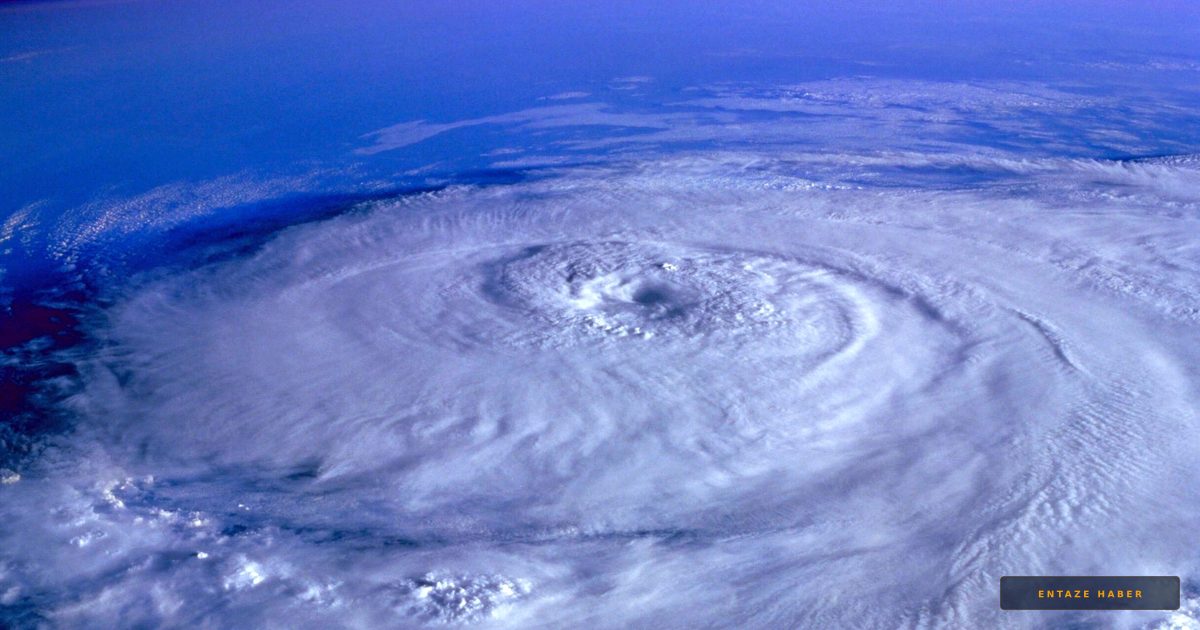
Hurricane Impacts on Home Care Delivery
Extreme weather events present a massive logistical hurdle for the decentralized home health sector, according to recent findings published in JAMA Health Forum. When hurricanes trigger widespread flooding, the ability of nurses and medical professionals to reach patient homes is severely compromised. This disruption extends beyond simple travel delays, often severing communication channels and stalling the essential delivery of medical supplies to elderly beneficiaries.

Data from Hurricane Sandy
The research centers on the catastrophic impact of Hurricane Sandy, which tore through the Caribbean and the U.S. Northeast on October 29, 2012. As the second-costliest storm in American history—trailing only Hurricane Katrina—Sandy resulted in at least 117 deaths and over $68 billion in damages. Investigators focused on 761 Medicare beneficiaries with an average age of 77.3, comparing those living in flooded ZIP codes against those in non-flooded areas across New York City, Connecticut, and New Jersey.

Treatment Delays and Recovery Outcomes
The study highlights a stark contrast in patient trajectories. Those residing in flooded zones experienced an average of 12.9 additional days of treatment compared to their counterparts in dry zones. Furthermore, patients in flooded areas faced greater difficulty achieving a timely start of care and were less likely to be discharged back into their own communities. While the study found no significant variance in medication management or discharges to skilled nursing facilities, the overall data points to a systemic fragility in home-based care during environmental crises.
Planning for Future Emergencies
Authors of the research emphasized that these findings expose critical gaps in local and regional emergency preparedness. Because home health services rely heavily on the accessibility of individual residences, they remain uniquely vulnerable to floodwaters. The report suggests that policymakers must integrate home health agencies more deeply into disaster response frameworks to ensure that the most vulnerable patients maintain consistent access to life-saving care during climate-related catastrophes.
Recent Developments
As extreme weather patterns become more frequent, the healthcare industry is prioritizing the latest updates on emergency infrastructure resilience. This breaking news serves as a reminder that live news reporting on infrastructure failures is vital for protecting homebound patients. You can follow all developments instantly on CareChronicle.net.
Related Topics
🔹 Disaster Preparedness 🔹 Home Health Care 🔹 Medicare Beneficiaries 🔹 Climate Change Impact 🔹 Emergency Medical Logistics 🔹 Healthcare Infrastructure 🔹 Patient Safety
Caregiving-news News
CareChronicle.net provides the most comprehensive coverage for the caregiving sector, delivering breaking news and the latest updates on industry challenges. Our live reporting ensures that providers, families, and stakeholders remain informed on the critical issues affecting home-based health services.
Frequently Asked Questions
How much longer does treatment last after flooding?
Patients living in areas affected by hurricane flooding experienced an average of 12.9 additional days of home health treatment compared to those in unaffected areas.
Why are home health services particularly vulnerable to floods?
Because home health is a decentralized system requiring professionals to travel to individual homes, flooding physically prevents staff from reaching patients and disrupts the supply chain for medical equipment.
Did the study cover all types of insurance?
No, the researchers specifically examined Medicare Part A/B beneficiaries and noted that the findings might not be generalizable to the Medicare Advantage population.